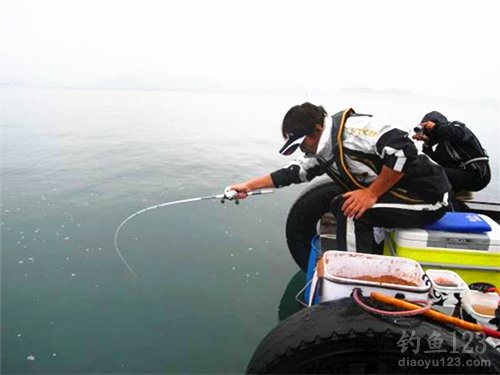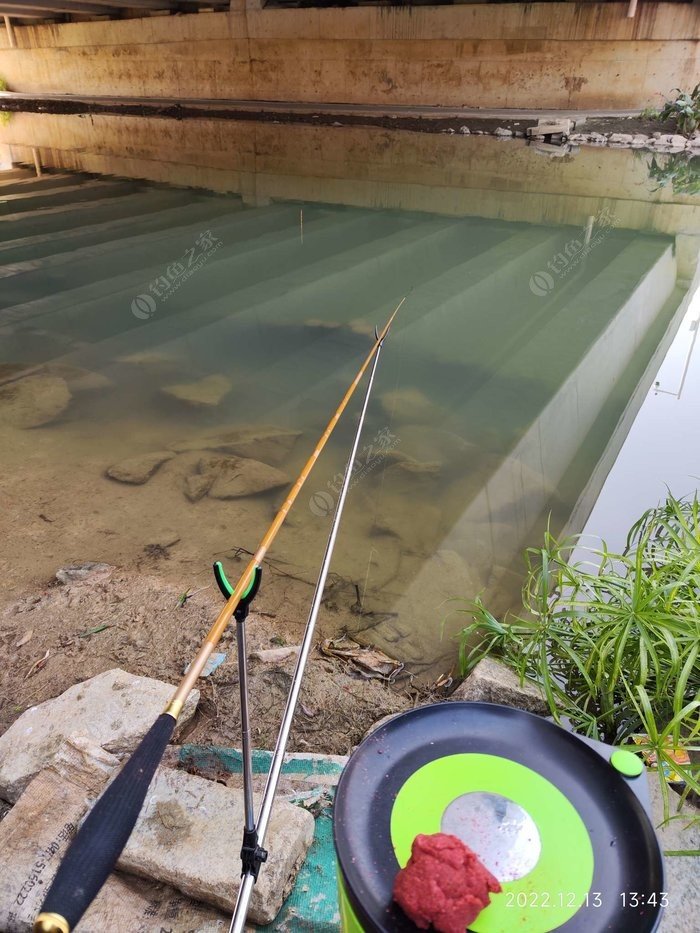

10 Essential Tips for Float Fishing for Silver Carp and Bighead Carp with a Hand Rod in Reservoirs
Ah, summer—when reservoir anglers across the globe gear up for their favorite pastime! Whether you’re targeting bottom dwellers or floating species, the action’s usually nonstop. But if you’re chasing silver carp and bighead carp (the dynamic duo of filter-feeding giants), you need a game plan. Today, I’m spilling my go-to tips for float fishing these bad boys with a hand rod. Trust me, these tricks come from hours of sunburn, sore arms, and way too many lost lures—so listen up!
1. Go for Hot Temperatures—Cooler Water = No Bites
Let’s get real: silver carp and bighead carp are total sun worshippers. I’ve spent way too many autumn afternoons staring at a motionless float because the water dropped below 20°C (68°F). Their metabolism tanks when it’s chilly, so they stop feeding like they’re on a diet. Stick to summer—ideally when the air temp’s over 25°C (77°F) and the water’s toasty. That “sunburn is worth it” feeling? Yeah, that’s when they’re chowing down.
2. Stiff Rods Only—Soft Rods = Lost Fish
These carp are huge. We’re talking 500g (1lb) babies up to 3kg (6lb+) beasts. Last year, I tried a soft 4.5m rod and watched a 4kg bighead carp snap my line faster than I could blink. Soft rods turn into wet noodles when these guys fight—you’ll spend 20 minutes reeling in just to watch them escape. Grab a hard or extra-hard rod (think 2-3lb test curve) and you’ll land ’em in half the time. No more “I almost had it” stories!
Why Stiff Rods Win:
- Faster hook sets (no noodle delay)
- Easier control during their crazy runs
- Less fatigue—you won’t be begging for a break after 3 fish
3. Dry Baits = Better Results—Wet Baits = Glue Balls
Silver carp and bighead carp are filter feeders—they suck in water and sift out tiny particles. If your bait’s soggy and clumpy, it’s like serving them a brick. Last month, I messed up and soaked my bait too long; it turned into a sticky mess that wouldn’t break apart. I didn’t get a single bite all day. Now I keep my bait dry and crumbly—it dissolves fast, creates a cloud of food, and draws them in like moths to a flame. Pro tip: mix it with a little cornstarch if it’s too wet!
4. Deep Water = More Fish—Shallow = Empty Hooks
These carp aren’t hanging out in 1m (3ft) shallows—they’re hiding in deep water (2m+ / 6ft+). I once set up in a 1.5m spot and watched a school swim right past me to the deeper end. Now I scope out the reservoir’s map or use a depth finder to find drop-offs or holes. Deep water keeps them cool and hidden from predators—so that’s where the action is. No more wasting time in the “baby carp zone”!
5. Heavy Tackle = Success—Light Tackle = Disaster
Let’s break this down: if your line’s too thin (under 0.3mm), they’ll snap it like a twig. Hooks too small? They’ll spit it out faster than you can say “carp.” Floats too tiny? You won’t see the bite—trust me, I’ve missed 10+ bites because my float was too small. Here’s my go-to setup:
- Line: 0.35mm monofilament (strong enough for 5kg fish)
- Hook: Size 8-10 (sharp, barbless works too)
- Float: 20g+ (big enough to stay steady in wind)
- Lead: 15g (keeps the bait at the right depth)
Skip the “light and delicate” stuff—these carp don’t care about your fancy setup. They just want to break it.
6. Fish in Groups—Solo = No Luck
Here’s a secret: silver carp and bighead carp travel in schools. If you’re fishing alone, your bait’s scent might not reach them. But if you’re with 2-3 friends, all casting near each other? The combined scent cloud is like a neon sign that says “FREE FOOD!” Last summer, my buddy and I set up 5m apart and caught 12 carp in 4 hours. When I tried solo the next day? Zero. Lesson learned: team up!
7. Keep It Quiet—Noise = Scared Fish
These carp are skittish. I once yelled at my dog for chasing a duck, and the school in front of me vanished in 2 seconds. They hear every splash, every shout, every clank of your tackle box. Here’s what I do now:
- Cast softly (no “whipping” the rod)
- Keep my phone on silent (no notifications scaring them)
- Walk slowly—no stomping around the bank
Think of it like a library for carp. Shhh!
8. Wait for the Right Bite—Don’t Rush!
Last year, I was so excited when I saw my float twitch that I jerked the rod and missed. Turns out, silver carp and bighead carp take their time—they’ll nudge the bait, suck it in, and then swim off. The real bite is when the float sinks slowly or moves sideways. I now count to 3 before setting the hook, and my success rate went from 20% to 80%. Patience, grasshopper—patience pays off!
9. Slow Down the Fight—Fast = Broken Line
When you hook a big one, your first instinct is to yank it in. Don’t! I once tried that and watched a 4kg carp snap my line. Here’s the right way:
- Keep the rod upright (use the rod’s power, not your arms)
- Lead it away from the school (so it doesn’t scare the others)
- Let it run when it pulls—don’t fight it
- Reel slowly when it’s tired (you’ll know when it stops fighting)
Last month, I fought a 5kg bighead for 15 minutes—slow and steady won the race. No more “almost” stories!
10. Long Rods = More Distance—Short Rods = No Fish
These carp don’t hang out near the bank. I used a 4.5m rod for months and could only reach 10m (33ft) out. Now I use a 5.4m rod and can cast 15m+ (50ft)—and that’s where the big ones are. Last week, I caught a 6kg silver carp using my 5.4m rod; I never would’ve reached that spot with a shorter one. Pro tip: get a telescopic rod—it’s easy to carry and casts far!
Oh, and here’s a quick pic of my last big catch to prove these tips work: 
So there you have it—my 10 go-to tips for float fishing silver carp and bighead carp in reservoirs. These aren’t just random rules; they’re lessons I learned the hard way (sunburn, lost tackle, empty coolers). Next time you hit the reservoir, try these tricks—you’ll be bringing home more carp than you can carry. And hey, if you catch a monster, tag me—I’d love to see it! Tight lines, everyone!