Introduction: The Challenge of Wild Big Carp
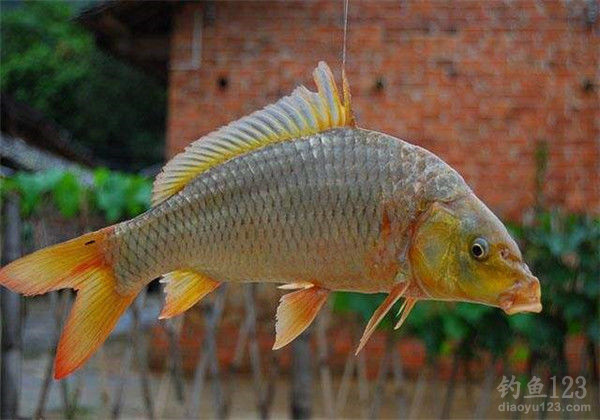
Let’s be real—catching big wild carp isn’t a walk in the park. These guys are like the ninjas of the water! Wild carp populations are already sparse, and the big ones? They’re even trickier to track down. You can’t just plop your rod anywhere and wait for a monster to bite (trust me, I’ve tried that… and ended up napping more than fishing). No, if you want to land that trophy carp, you’ve got to be proactive. It all starts with finding their hangouts, picking the right gear, and being patient enough to outwait them. Let’s break down exactly how to do that.
1. Nail the Fishing Spot: Where Big Carp Hide
Big carp are survivors—they don’t just swim around in open water where every predator (and angler) can spot them. They have favorite spots, and your job is to sniff those out. Here are the two non-negotiable factors to look for:
Deep Water (Daytime) vs. Shallow Water (Nighttime)
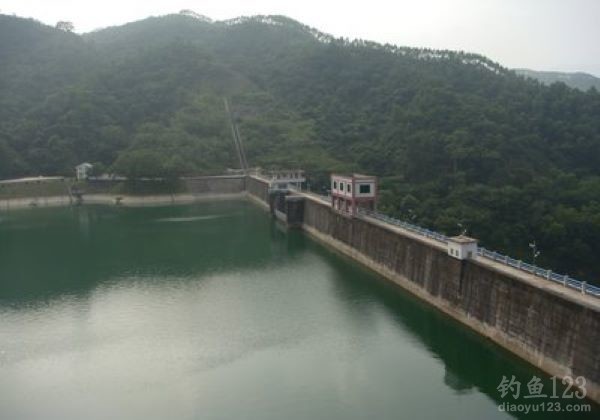
First up: water depth. Big carp hate shallow water during the day—too much sunlight, too many threats. But “deep” isn’t a one-size-fits-all number. It’s all relative to your fishing spot! For example, if most of a wild pond is 3 feet deep, that 5-6 foot hole over there? That’s the carp’s penthouse suite. I once fished a lake where the average depth was 4 feet, and the only deep spot was a 7-foot channel near a dam—every big carp I caught that day came from there.
But wait, nighttime is a game-changer! When it’s dark and quiet, big carp venture into shallow water (think 2-3 feet) to feed on bugs and plants. I learned this the hard way: I spent three days fishing deep water at a reservoir and got nothing, then tried shallow water at dusk… and hooked a 12-pound carp within an hour. Mind blown.

Weeds, Sunken Trees, and Obstacles
Big carp love hiding in messy spots—weeds, sunken trees, fallen branches, you name it. These places are like their personal fortresses: they can hide from birds, otters, and even other fish, plus there’s tons of food (insects, small crustaceans) hanging around. I once fished a spot with a sunken oak tree, and let me tell you—every cast near those branches either got a bite or a nibble. The only catch? Obstacles mean snags. I lost three hooks in an hour before switching to a single hook with a straight line (no swivel). Game-changer! Single hook setups cut down on snags so you can focus on reeling in the carp instead of untangling lines.

2. Bait: What Big Carp Actually Want to Eat
Carp are the ultimate foodies—they’ll eat almost anything (seriously, I’ve caught them on everything from hot dogs to watermelon rinds). But if you want big carp, you need bait that’s both irresistible and durable (big carp take their time testing food, so your bait can’t fall off the hook too easy). Here are my go-to picks:
Natural Baits: Tried-and-True Classics
- Corn and Wheat: Cooked corn is my #1 bait for big carp. I boil a bag of sweet corn until it’s soft but not mushy, then hook 2-3 kernels. It’s cheap, easy, and works—plus, it’s less likely to attract small fish than bread or worms. I once used corn to catch a 15-pound carp that fought like a truck! Wheat is similar: boil it until it pops, then use it alone or mix with corn.
- Sweet Potato: Oh, sweet potato—carp go crazy for this. I bake it until it’s 70% done (soft enough to pierce with a fork but not mushy), then cut it into 1-inch cubes. You can use it for bait or for chumming. Pro tip: If you chum with a few potato cubes, the carp will stick around longer.
- Meaty Bait: If the water is cold (below 60°F), carp switch to protein. Try small shrimp, earthworms, or even red wigglers. I once used shrimp in a cold river and caught a 10-pound carp that ignored every other bait I tried.
Commercial Baits: Convenience with a Punch
Commercial carp baits (like boilies or dough baits) work great too—especially if you’re short on time. Look for ones with sweet or nutty flavors (carp love those!). The key here is to make the bait hard and big. I mix my commercial bait with a little extra flour to make it stiffer, then roll it into golf ball-sized chunks. Why? Small, soft bait gets nibbled off by tiny fish before the big carp even see it. A big, hard bait means only the serious eaters (read: big carp) can take it.
3. Chumming: Lure Big Carp to Your Spot
Wild carp are spread out, so you can’t just show up and expect them to be waiting. Chumming is how you bring them to you—and it’s not a one-time thing. If you can, start chumming 3-5 days before you fish. Here’s my routine:
- Day 1: Toss 2-3 cups of cooked corn and wheat into your spot.
- Days 2-4: Add 1-2 cups each day—enough to keep the carp interested but not full.
- Fishing Day: Only add a small handful (1/2 cup) to refresh the chum. You don’t want to overfeed them!
How do you know if it’s working? Look for “carp bubbles” (called “fish stars”). These are small, irregular bubbles that pop slowly and move around (unlike methane bubbles, which pop fast and stay in one spot). I once saw a trail of fish stars moving toward my bait, and 10 minutes later, I was fighting a 13-pound carp. It’s the best feeling ever!

4. Gear: Don’t Skimp on the Right Tools
Big carp are strong—they’ll snap flimsy gear like it’s nothing. Here’s what you need to avoid heartbreak (and lost trophies):
Rod and Reel
Get a rod that’s at least 16 feet long (wait, no—wait, metric? Wait, 5.4 meters is about 18 feet? Wait, no, 5.4 meters is 17.7 feet. But honestly, 16-18 feet is perfect for casting far and handling big carp. Look for a 28-tonality rod (medium-heavy action)—it’s stiff enough to control the carp but flexible enough to absorb their fights. For the reel, pick a spinning reel with a big spool (3000-4000 size) so you can hold lots of line. I use a reel with a drag system that’s smooth—nothing worse than a drag that sticks when a carp makes a run!
Line and Hook
Line strength matters! For carp up to 10 pounds, use 2.5 main line + 1.5 leader line. For bigger carp (10+ pounds), go 3.5 main line + 2.5 leader. And hooks? Use thick-shanked hooks like Iseama or New Kanto—they won’t bend or break. If you’re fishing near obstacles (weeds, trees), use a single hook with a straight line (no swivel) to avoid snags. I learned this after losing a huge carp to a snagged swivel—never again!
Float
Use a heavy float (10-15 grams) so it can handle big bait and chum. Set it to “flat water fishing 3-4 eyes” (wait, no—let’s say: set it so the float sits low, with only 3-4 inches above the water. Or even better, use a running lead setup for super-sensitive bites. Big carp are cautious—they’ll test the bait before taking it, so a sensitive float helps you know when to strike.
Final Thoughts: Patience is Your Secret Weapon
Here’s the truth: even if you do everything right, you might not catch a big carp on your first trip. I once fished a spot for three days straight—chumming, switching baits, adjusting my spot—and on the third afternoon, I finally hooked a 14-pound beauty. It was worth every minute of waiting. Big carp are smart, but they’re not unbeatable. If you find their spot, use the right bait, and stay patient, you’ll get that surprise catch you’re after.
What about you? Do you have a go-to trick for big wild carp? Drop it in the comments—I’m always looking for new tips to try!