30-Year Angler’s Guide to Fishing the Drop: Catch More Fish on Your Next Trip!
Let’s be real—fishing never goes exactly how you plan it. You show up on a perfect sunny day, ready to nail some bottom-feeding crucian carp, only to find fish nipping at your bait at every single level of the water. Frustrating, right? Turns out, finicky fish don’t care about your master plan. Bait misting, low oxygen levels, who knows what’s making them hang out off the bottom? But here’s the thing: instead of stubbornly sticking to bottom fishing and going home empty-handed, you can switch up your game. Enter: fishing the drop (also called the “suspension drift method”). I’ve spent 30 years chasing fish, and this trick has saved more trips than I can count. Let me break down everything you need to know to master it.

What Even Is Fishing the Drop?
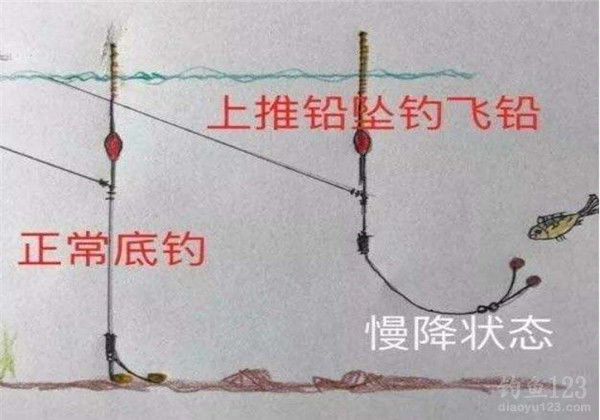
Fishing the drop is all about slowing down your bait’s journey from the surface to the bottom, so you can catch fish that are feeding mid-water instead of on the floor. The whole goal is to extend that fall time as much as possible—giving those skittish, mid-level fish every chance to snatch your bait before it hits the bottom. It’s not some fancy, overcomplicated technique, but it does require tweaking your gear and approach. Let’s start with the most important piece of the puzzle: your float.
Pick the Perfect Float for Fishing the Drop
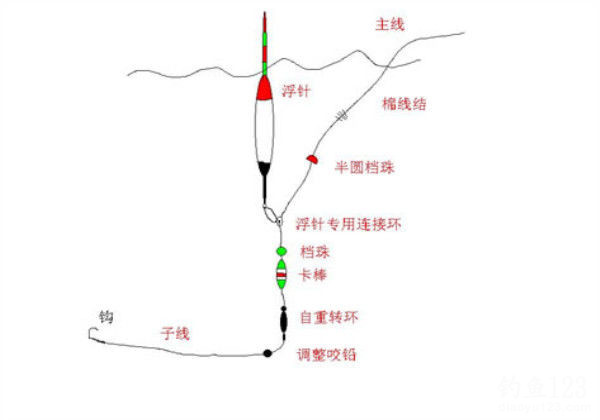
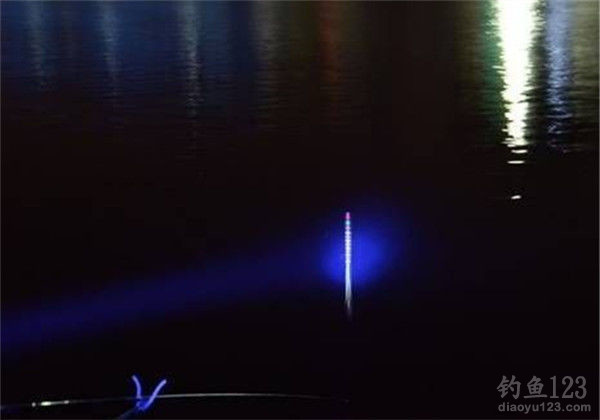
Forget the float you use for standard bottom fishing—this needs a specific setup. After decades of trial and error (and way too many missed bites), I’ve narrowed down the ideal float for fishing the drop:
- Long stem, long tail, short body: A long stem keeps the float stable as it drifts down, so it doesn’t dart around and miss subtle bites. A long tail slows the float’s fall, giving you more time to spot a nibble. And a short, stocky body? It has a bigger surface area, so water resistance holds it up longer. Trust me, this combo is a game-changer for extending that bait’s journey.
- Skip the super slim floats: I know sleek floats look cool, but they cut through the water too fast. You need something that fights the current a little, so your bait stays in the strike zone longer. The short, wide body is non-negotiable here.

How to Set Up Your Float for Maximum Sensitivity
Here’s the good news: you don’t need to reinvent the wheel when adjusting your float. The setup is almost the same as bottom fishing—with one key tweak: keep your adjustment low. I’ve tried every combo under the sun, and the most reliable methods are:
- Set the float to sit level with the water surface (adjust to flat water) and fish at flat water
- Or adjust to flat water and fish for 1 small tick on the float
Why keep it low? Because high adjustments make the float too stiff, and you’ll miss those tiny, subtle bites that happen while the bait’s falling. This low setup keeps your line ultra-sensitive, so even the lightest nibble shows up on the float. No more wondering if that tiny twitch was a fish or a leaf!

Line and Hook Setup for Fishing the Drop
Your float is sorted, but now you need to make sure your line and hooks don’t ruin the vibe. Here’s what I swear by:
Go Light on Your Line
Thick, heavy line might feel tough, but it’s the enemy of fishing the drop. It cuts through the water too fast, shortening your bait’s fall time, and it’s less sensitive to small bites. Stick to the lightest line you can get away with, based on the fish you’re targeting. If you’re going after small to mid-sized carp or crucian carp, 0.8-1.2 main line is perfect. For bigger fish, you can bump it up, but don’t go overboard!
And while we’re on line: make your leader a little longer than usual. A longer leader lets the bait swing more naturally as it falls, which looks way more enticing to curious fish. I add an extra 10-15cm to my standard leader length, and it’s made a huge difference in how many fish I hook mid-fall.
Choose Lightweight Hooks
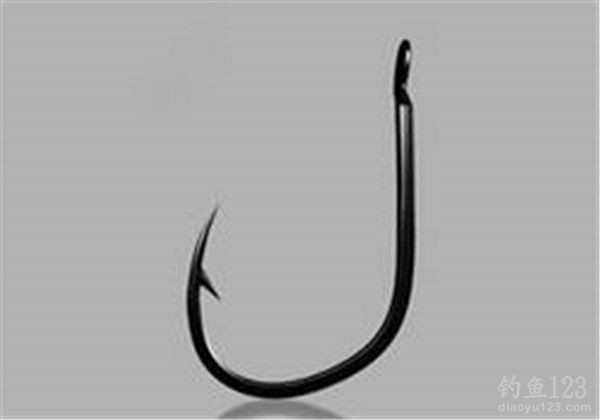
Heavy hooks are another mistake that’ll sink your drop fishing game (pun absolutely intended). A heavy hook will drag your bait down faster, ruining the slow fall you’re trying to create. Stick to light, thin hooks like sleeve hooks—they’re perfect for keeping the bait floating down slowly, and they still have enough strength to hook most freshwater fish. I’ve used size 3-5 sleeve hooks for years, and they’ve never let me down.

Bait Tips for Fishing the Drop
You can have the perfect float and line setup, but if your bait is garbage, you won’t catch a thing. Fishing the drop needs bait that hits a very specific sweet spot:
- Sticky enough to stay on the hook, but not too sticky: You want the bait to hold together as it falls, so it doesn’t disintegrate before it reaches the fish. But it also needs to mist a little bit as it drifts—small bits of bait floating down will draw fish to your main bait. I like to mix my bait with a little extra binder to keep it on the hook, but not so much that it doesn’t release any scent or particles.
- Lightweight is key: Dense, heavy bait will plummet to the bottom in seconds. You need something light that drifts slowly. Paste bait works great, but I prefer pulled bait for drop fishing. If you’re pulling bait, make sure you do it quickly—you want fluffy, light balls that fall slowly, not tight, dense clumps.
- Don’t overdo it on the scent: Fish are curious, but a super strong scent can scare them off. A subtle, natural scent (like worm or corn) is way more effective for drawing mid-water fish.

The Most Important Part: Reading the Float and Setting the Hook
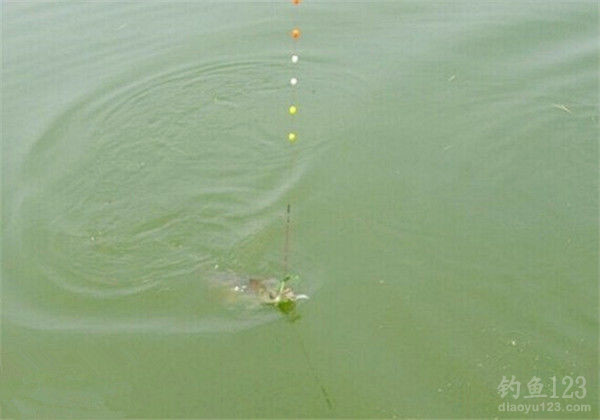
Alright, you’ve got all your gear sorted. Now comes the hard part: paying attention. When you’re fishing the drop, bites happen fast—like, blink-and-you’ll-miss-it fast. Here’s what to watch for:
- A small dip or twitch in the float
- The float moving up a little bit (this is a super common bite sign that new anglers miss!)
- The float drifting sideways unexpectedly
- The float stopping mid-fall (that means a fish grabbed the bait and is holding it—set the hook immediately!)
- The float speeding up suddenly (a fish is pulling the bait down fast)
Rule number one: keep your hand on the rod and your eyes glued to the float at all times. I’ve missed so many bites because I looked away for two seconds to grab a drink or adjust my chair. Don’t be that guy. And if the bait hits the bottom and you don’t get a bite within 10 seconds? Reel it in and cast again. Fish are drawn to moving bait, so a slow, repeated fall is way more effective than letting your bait sit on the bottom.
Final Thoughts (From a Guy Who’s Seen It All)
Fishing the drop isn’t a magic trick that’ll make every fish in the lake jump on your hook. But it’s a lifesaver when fish won’t stay on the bottom. The best advice I can give? Don’t be afraid to experiment. If your float is falling too fast, try a shorter, wider body. If you’re missing bites, tweak your float adjustment. Every lake, every day, every school of fish is different. I’ve spent 30 years learning to read the water and adjust my setup, and I’m still learning new tricks.
Next time you show up and the fish are being finicky, don’t pack up and go home. Give fishing the drop a shot. I guarantee you’ll be surprised by how many fish you catch that you would’ve missed otherwise. And hey, if you have your own drop fishing hacks? Hit me up in the comments—always down to learn from a fellow angler!