How to Choose Fishing Rigs and Bait Recipes for Wild Fishing
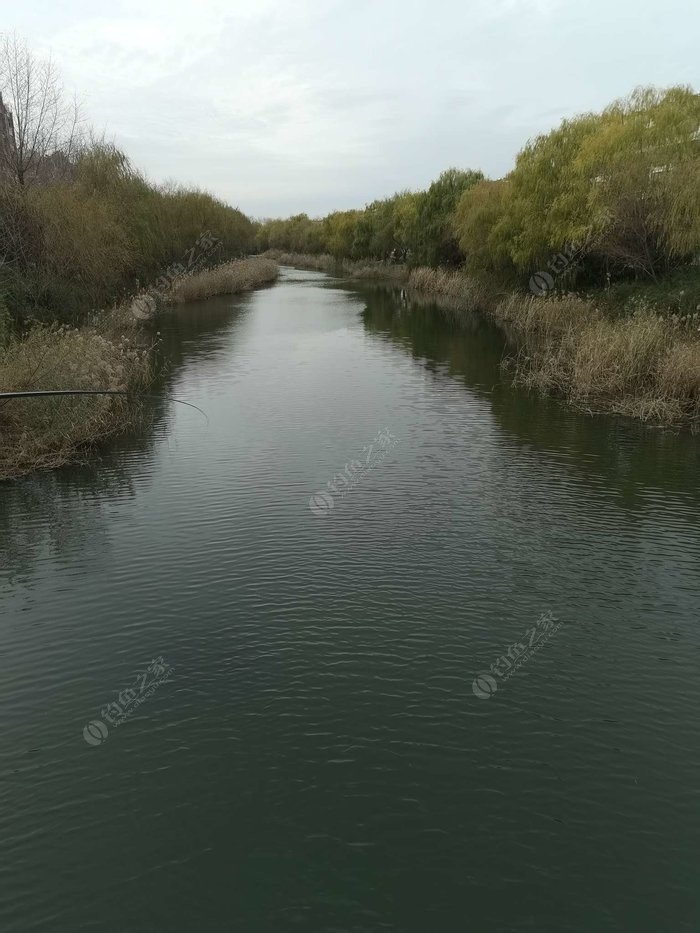
Let’s be real—wild fishing spots are disappearing faster than a big fish taking your bait and bolting! Between shrinking water resources and super strict regulations, those rivers and small reservoirs we used to fish at are now off-limits. The few natural spots left are so packed with anglers you’d think there’s a free fish buffet going on. And don’t get me started on the dwindling fish populations—some days you’re lucky to catch a single tiny fish, let alone a trophy. But hey, none of that stops us die-hard anglers, right? Just being by the water, casting a line, is enough to make the day feel worth it. But if we want to actually catch something (or maybe even a big one) in this “too many anglers, too few fish” era, we need to adapt. Let’s break down how to do it right.

First Up: Don’t Sleep on Your Fishing Spot
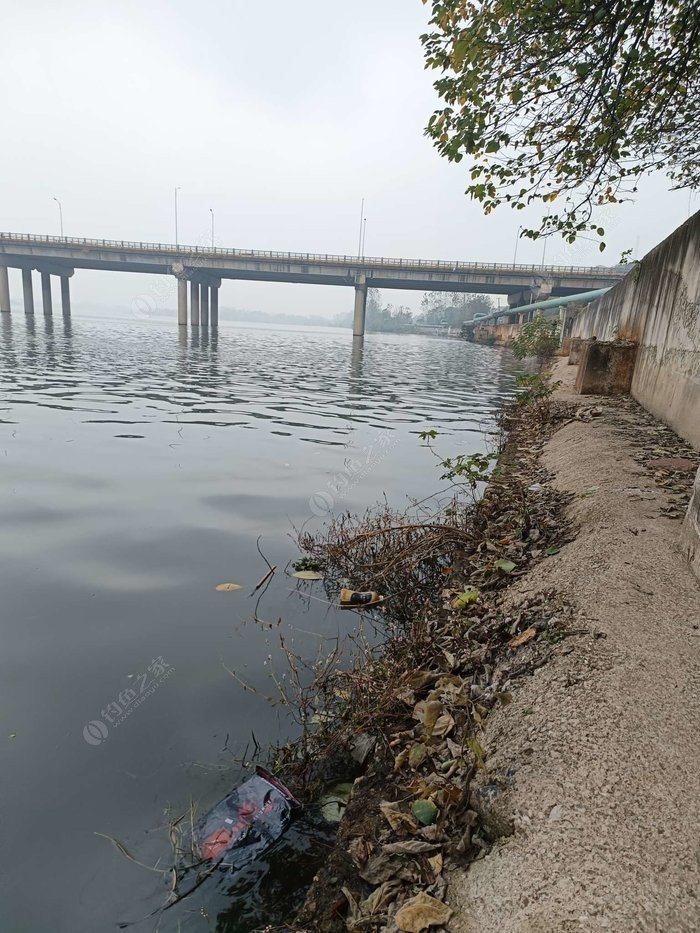
We all know picking the right spot is half the battle in wild fishing. Back in the day, you could spread out and have your own little slice of fishing heaven. Now? You’re practically elbow-to-elbow with other anglers, their long rods swinging around like they’re practicing for a parade. The noise alone is enough to scare off half the fish! But here’s the silver lining: those crowded spots turn into natural fish nests over time. With so many anglers chumming the waters daily, fish start hanging around because they know there’s always a chance for food. Get the right weather, pressure, bait, and luck on your side, and you might just hook into a monster fish you’ll brag about for months.
Rigging Up for Late Autumn Wild Reservoir Fishing
Fishing Rods: Go Long or Go Home
Late autumn means it’s time to follow the old saying: “Fish the deep pools in fall.” We’re talking 3 to 4 meters of water here, which means short rods just won’t cut it. Leave that 3.6m rod at home—opt for 5.4m to 7.2m rods instead. A longer rod lets you cast farther, and when you do hook a big one, the extra length gives you way better control for reeling it in and tiring it out. Oh, and pro tip: if there’s an angler next to you, ask them what length rod they’re using and match it. Nothing ruins your day faster than their fish swimming through your spot while they reel it in, scaring off every fish in your nest. Trust me, matching their rod length saves you so much hassle.
Bring a few extra rods with you too—you never know if you’ll need to switch things up. Stick with a 37-tonality rod; it’s flexible enough to handle small fish but strong enough to take on bigger ones without snapping. No need for super fancy high-end rods here—something durable that can handle the rough and tumble of wild fishing is perfect.
Line and Hook Setup: Balance is Key
Let’s talk lines first. Your main line should be 2 to 4 pounds, depending on what fish you’re targeting. Go with a short handle line (10 to 20 cm)—it’s easier to cast and reel in fish quickly. For leader lines, 1.5 to 3 pounds is ideal, and cut them to 50 to 70 cm when folded in half. If you decide to fish near the surface, you can tie a long single hook once you get to the spot, adjusting it to the water depth.
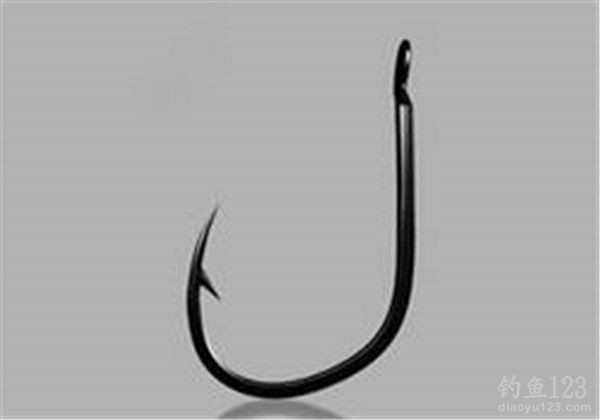
When it comes to hooks, you can’t go wrong with Iseama hooks. They’ve been a favorite among anglers forever for a reason—they’re strong, sharp, and hold onto fish well. Pick size 5 to 12 again based on your target fish. Smaller hooks for panfish, bigger ones for carp or catfish.
Floats: Pick the Right One for Deep Water
Fishing in deep water means you need a float that works with the depth, not against it. You’ve got two solid options here:
- Short-foot, long-body floats: These bad boys get your bait down to the bottom fast, which is perfect if you’re targeting fish that hang out near the lakebed.
- Medium-long body, long-foot, long-tail oval floats: Use this if you want to fish the “travel” zone—watching the float as your bait sinks—while still being able to fish the bottom.
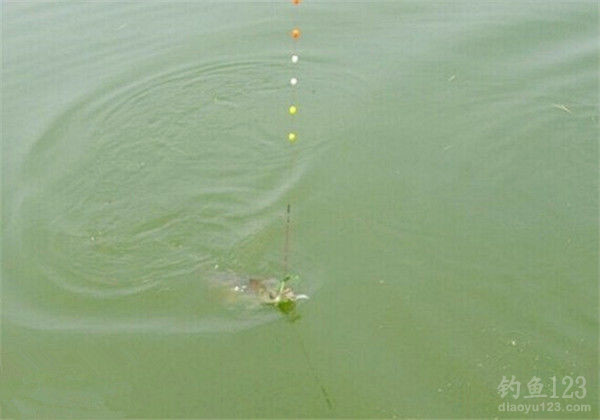
Stick with smaller floats when you can. I know some anglers say small floats are hard to cast, but once you add bait, the extra weight makes casting a breeze. And skip the “cheater lines”—they might seem like a good idea, but with long rods, they make casting super inaccurate. A little wind comes along, and you’ll be casting into the next angler’s spot instead of your own. Not cool.
Bait Recipes for Late Autumn Wild Fishing: Keep It Simple
You don’t need a fancy kitchen full of secret ingredients for wild fishing bait in late autumn. There are two “universal” baits that never let you down: earthworms and corn. Let’s break them down:
Earthworms: The OG All-Rounder
Earthworms are like the fast food of the fish world—everyone loves them! They’re perfect for targeting fish that crave high-protein, meaty snacks, like crucian carp, yellow catfish, catfish, and snakehead. But don’t sleep on them for carp or grass carp either—those big guys will gobble up a worm if it’s in front of them. Rig them up with a “running lead” setup: set your float to level water and fish at 3 to 5 eyes. This lets your bait lay flat on the bottom, which is super enticing to fish.
Corn: The Lazy Angler’s Best Friend
Fresh corn is where it’s at. Just slice it off the cob, use some for chumming, and hook a few pieces on your line. It’s cheap, easy, and carp and grass carp go crazy for it in late autumn. The best part? You don’t have to worry about it falling off the hook mid-cast like you do with worms.
Pro Bait Hack: Mix and Match
Here’s a trick I swear by: use one hook with an earthworm and one with corn. Fish are picky sometimes, so giving them options means you’re more likely to get a bite. You might hook a small crucian carp on the worm and a big carp on the corn all in the same trip. It’s the best of both worlds!
Chumming Smart, Not Hard
Here’s a mistake way too many anglers make: dumping a ton of bait into the water like they’re feeding a school of hungry sharks. Sure, you’ll attract fish, but if they’re full from all the free food, they won’t bother biting your hook. Keep your chum “lean and fresh”—focus on fresh grains like wheat or corn. They attract fish and keep them hanging around without filling them up. If you’re fishing far from shore, mix a little commercial bait in with your corn to make it easier to cast out to your spot.
Final Tips for a Successful Fishing Trip
Late autumn means cold mornings and evenings, and those waters get super dewy and foggy. Wear waterproof clothes—you don’t want to spend 6 hours shivering in damp pants just because you wanted to catch a fish. And always, always use a rod leash! There’s nothing worse than hooking into a huge fish, panicking, and watching your rod get dragged into the water never to be seen again. Trust me, I’ve been there, and it’s a gut punch you don’t want to experience.
At the end of the day, wild fishing in late autumn isn’t just about catching fish—it’s about being out in nature, enjoying the quiet (well, as quiet as it gets with 10 other anglers around), and maybe hooking into a fish that makes the whole trip worth it. So grab your long rod, pack some worms and corn, and head out to the water. Even if you don’t catch a thing, you’ll be glad you did. And who knows? You might just reel in the fish of a lifetime.