Traditional Fishing Techniques: A Deep Dive into Upward-Facing Hooks and Seven-Star Floats
Let’s be real for a second. In the world of fishing, it’s easy to get swept up in the latest high-tech gear, the newest super-sensitive rods, and the most complex lure setups. Social media is flooded with it. But sometimes, the old ways are the best ways. I’m talking about traditional fishing methods that have been passed down for generations, techniques that are simple, elegant, and brutally effective in the right hands. Today, we’re putting the spotlight on one such classic combo: the long pole, short line technique featuring the iconic Upward-Facing Hook (Chao Tian Gou) and the Seven-Star Float (Qi Xing Piao). If you think fishing is all about fancy carbon fiber and electronic bite alarms, stick around. This might just change your perspective.

Why Bother with “Old School” Fishing?
Before we geek out on the specific gear, let’s address the elephant in the room. Why even consider traditional methods when modern tackle is so advanced? The answer is simple: specific scenarios and pure efficiency.
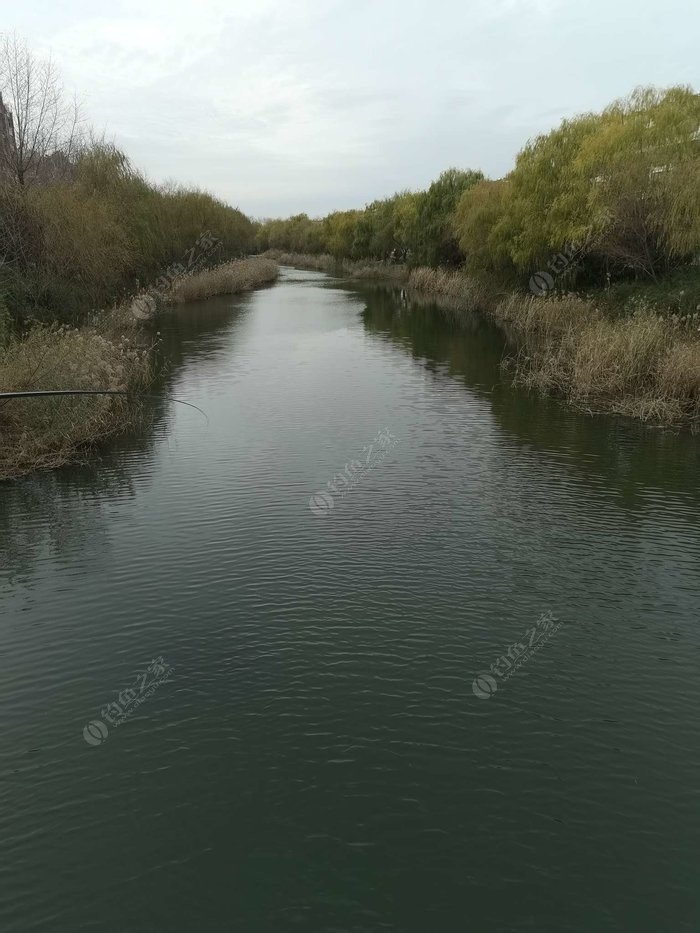
Imagine this: you’re at a wild, overgrown pond, a river choked with lily pads, or a canal with submerged branches everywhere. Casting a long rod with a delicate rig is a recipe for instant snags and frustration. This is where the long pole, short line method shines. You’re not casting in the traditional sense. You’re presenting your bait. You use a long, often telescopic pole (think 7 to 12 meters) with a fishing line that’s only slightly longer than the depth of the water you’re targeting.
You literally guide your hook and bait directly into a tiny pocket in the weeds—a “fish condo” where big crucian carp or tench love to hide. The beauty? Zero disturbance. You drop the bait in with pinpoint accuracy, and when you get a bite, you lift the fish straight up and out of the cover before it even knows what’s happening. No playing the fish through a maze of snags. It’s a surgical strike. While everyone else is battling vegetation, you’re landing fish. That’s the unbeatable advantage of this traditional fishing method.
Meet the Stars of the Show: The Upward-Facing Hook & Seven-Star Float
This technique isn’t just about the pole and line. Its heart and soul lie in two unique components that work in perfect harmony.
The Upward-Facing Hook (Chao Tian Gou): Not Your Average Hook
Okay, let’s talk about the hook. This isn’t something you’ll find in every tackle box. The Upward-Facing Hook is a masterpiece of simple engineering. The key feature? The weight (the sinker) is fused directly onto the shank of the hook. It’s all one solid piece of metal. No separate split shot, no threaded weights. This fusion creates a hook that, when resting on the bottom, naturally tilts so the point faces upward. Hence the name.
Why is this a big deal? Think about a fish, like a cautious carp, sucking in food from the bottom. With a traditional hook lying flat, the fish might feel the weight or the line first. But with the point facing up, the bait sits naturally above the weight. The fish takes the bait, and the exposed point is right there to catch. The sensitivity is incredible because any movement directly moves the entire rig. There’s no “buffer” from a separate sinker on the line.
But here’s a crucial pro tip (learned the hard way!): You must check the connection between your main line and this hook every single time. Since there’s no shock leader or swivel, all the stress from a fighting fish goes directly to that knot. A failed knot here means a lost fish and a lost, often hand-made, special hook. Trust me, it’s a gut-wrenching feeling.
The Seven-Star Float (Qi Xing Piao): Your Underwater CCTV
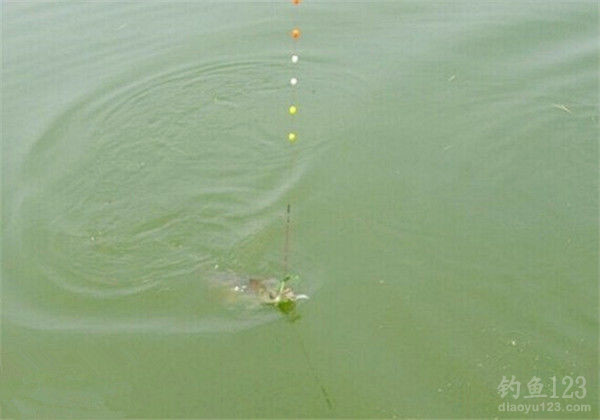
Paired with the unique hook is its perfect partner: the Seven-Star Float. Forget the sleek, tapered modern floats. This is a set of seven (sometimes six) independent, barrel-shaped foam or plastic beads strung directly onto your main line. You can adjust their spacing to suit the depth and conditions.
Watching a Seven-Star Float is an art form. Instead of watching for a float to dive or shoot under, you’re looking for subtle movements in the constellation of beads on the water’s surface. A slight lift, a tremble, a sideways slide—each tells a story. Because the rig is so direct and sensitive, these movements correspond almost one-to-one with what the fish is doing down below. It’s like having a live feed. For targeting species like crucian carp that often give delicate, nibbling bites, this visual feedback is unbeatable.
Now, critics (usually the spin-casting crowd) will say, “You can’t cast that far!” And you know what? They’re absolutely right. And that’s the entire point. This isn’t a method for chucking bait into the middle of a reservoir. This is for fishing close, fishing smart, and fishing specifically in the tight spots where big, wild fish feel safe. It’s for edges, cut-outs, and those magical gaps in the vegetation—the “fish highways” that are often ignored.
Putting It All Together: The Complete Traditional Rig
So, how does this all connect? Let’s build the rig from the rod tip down:
- The Pole: A long, lightweight carbon or glass pole. It doesn’t need a reel seat because… there’s no reel!
- The Line: A single, continuous length of monofilament. No leader, no complicated connections. It’s tied directly from the pole tip to the hook. Simplicity is reliability.
- The Float: The seven stars are threaded onto the main line first. Their position is set to match the water depth, usually with 2-3 beads above the surface and the rest below.
- The Hook: The Upward-Facing Hook is tied to the end of the line with a secure knot (a improved clinch knot or similar). The weight of the hook is crucial—it must be balanced enough to settle the bait but light enough for the float beads to support.
The magic is in the balance. The weight of the hook sinks the line, but the buoyancy of the submerged float beads creates a slight upward tension. This tension is what keeps the hook sitting upright on the bottom, ready for action.
When to Use This Traditional Power Combo
This isn’t an all-rounder method. It’s a specialist tool. Here are the scenarios where it absolutely dominates:
Fishing in Heavy Cover & Snaggy Waters
This is its home turf. Weedy margins, lily pad fields, submerged brush piles, rock walls. Anywhere you’d lose a dozen jigs or soft plastics, the long pole allows you to dap your bait right into the prime spot. The single hook drastically reduces snagging compared to treble hooks or rigs with multiple points.
Targeting Bottom-Feeding Species in Still or Slow Waters
Think crucian carp, tench, and even larger bream. These fish love to root around in the silt and debris. The natural presentation of the bait sitting just above the upward-facing point is irresistible to them.
Fishing in Shallow Water
This rig excels in water from about 1 foot to 6 feet deep. It’s incredibly precise for targeting specific shallow features that hold fish.
When the Fish are Shy or “Pressured”
The minimal tackle profile—just a hook, a bit of weight, and a simple line—is far less suspicious to fish in clear, calm water than a complex rig with swivels and a large float.
The Honest Downsides (Because Nothing’s Perfect)
Let’s not romanticize it. This method has its limitations, and you should know them:
- Limited Range: You’re basically fishing the length of your pole. If the fish are 20 meters out, you’re out of luck.
- Wind is the Enemy: A strong breeze makes the light line bow and makes reading the delicate float movements very difficult. It’s a calm-weather technique.
- Not for Fast Currents: The rig is designed for still or very slow-moving water. In a river with a decent flow, it will be swept away.
- Skill Curve: Reading the Seven-Star Float takes practice. The bites aren’t always dramatic yanks; they’re often subtle twitches and lifts.
- Gear Specificity: You need the right pole and you need to source the special hooks. It’s not a method you can easily improvise with standard gear.
My Personal Takeaway After Using This Method
Switching from my usual ultralight spinning gear to this traditional setup felt like going from driving a sports car to riding a bicycle. It was slower, more deliberate, and required a completely different mindset. But oh man, the connection to the fishing process is intense.
You’re not just waiting for a bite. You’re an active participant in every second. You’re maneuvering the long pole, carefully positioning the bait, and your eyes are glued to those little float beads. When one bead trembles and slowly rises, your heart skips a beat. You lift the pole, and feel the solid thump of a fish. There’s no reel drag screaming, just a direct connection between your hands and the fight.
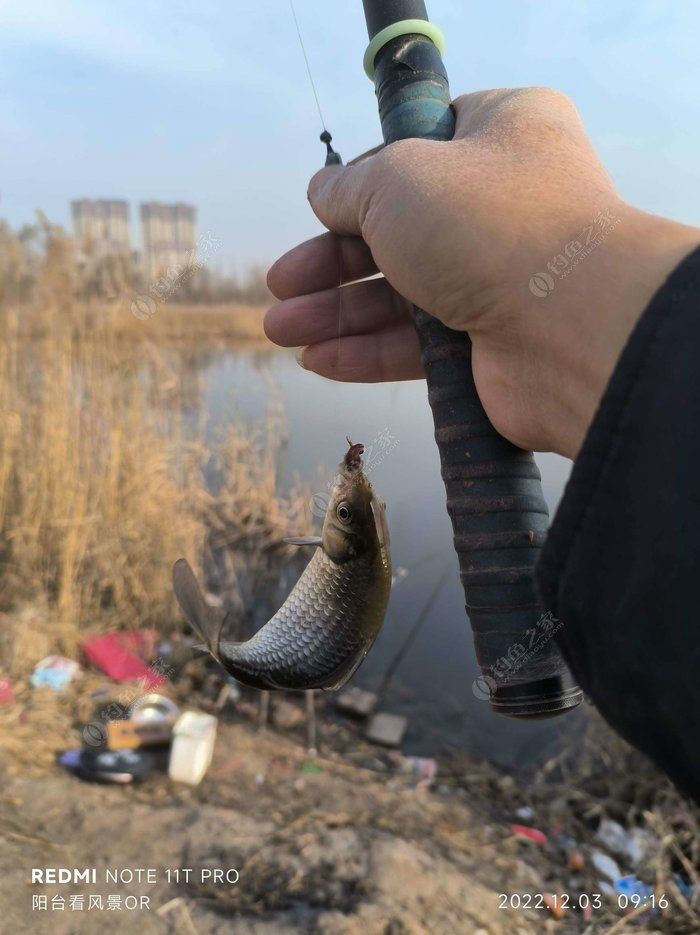
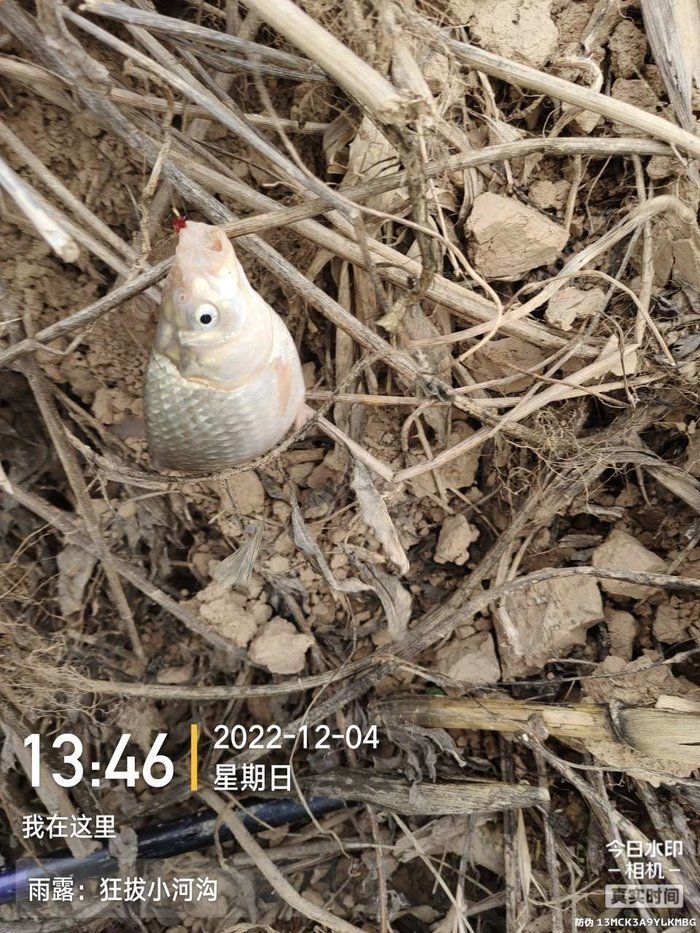
It taught me patience and observation. It forced me to really look at the water, to find those hidden spots everyone walks past. The first time I pulled a beautiful, golden crucian carp from a tiny hole in a mat of duckweed, a spot no larger than a dinner plate, I was hooked (pun intended). It felt like a secret victory.
So, next time you’re headed to a weedy pond or a snag-filled canal, maybe leave the fancy gear in the car for a trip. Try embracing the simplicity. Grab a long pole, rig up an Upward-Facing Hook and a Seven-Star Float, and go have a conversation with the fish, the old-fashioned way. You might just discover that the most advanced fishing technology isn’t made of carbon and microchips, but of wisdom, simplicity, and a direct connection to the water.
I’d love to hear if any of you have tried these traditional methods. What was your experience like? Any epic successes or hilarious failures? Share your stories!