Why I Switched from Taiwanese Fishing to Traditional Fishing (And Scored a Monster Haul)
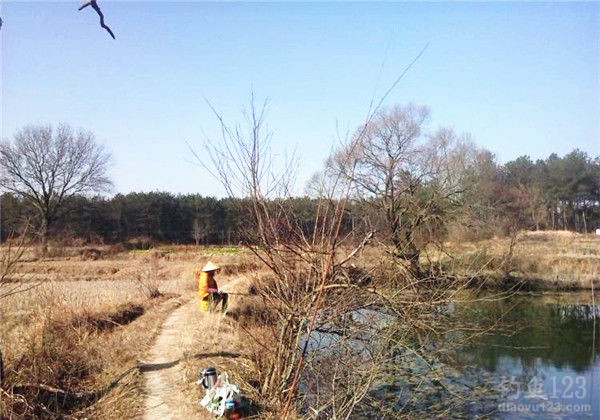
Let’s be real—every angler has their go-to style. For years, I was a die-hard Taiwanese fishing method fan. It’s precise, it’s flashy, and when the fish are cooperating? It’s chef’s kiss. But here’s the thing: Taiwanese fishing isn’t a one-size-fits-all solution, especially when you’re out in the wild, far from manicured ponds. I learned that lesson the hard way earlier this year at a tiny, overgrown wild pond—and let me tell you, switching to traditional fishing turned my terrible day into my best catch ever.
I showed up bright and early, geared up with my 4.5m Taiwanese fishing rod, ready to pull in some big ones. But what did I get? A handful of tiny, annoying minnows stealing my bait every 10 seconds, and maybe two sad little crucian carp after three hours. I was this close to packing up and heading home to sulk. Then I glanced over at an older guy nearby, using the same type of float as me but with a dead-simple setup: heavy lead on the bottom, two hooks with earthworms, and he was hauling in big, fat crucian carp left and right. That’s when I decided to ditch my fancy setup and go old-school with traditional fishing.
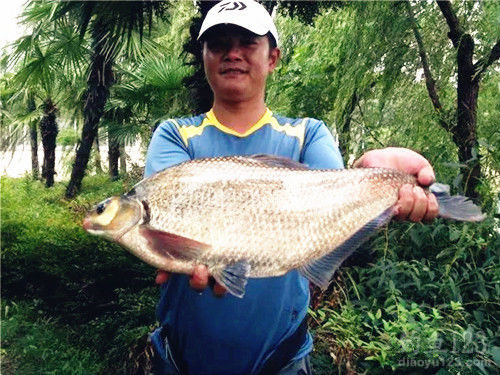
And man, did it pay off. By the end of the day, I had over 20 pounds of fish, including 20+ plump, trophy-sized crucian carp. It was a personal best, and it all started with mastering traditional fishing’s two biggest secrets: baiting strategies and spot selection. Let me break down exactly what I did, so you can score your own monster haul too.

Traditional Fishing Spot Selection: The Grass Hole Rule is Non-Negotiable
If you ask any old-school angler about traditional fishing, the first thing they’ll tell you is: “Fish where the grass is.” There’s a reason for the classic saying: “If you don’t fish near grass, you’re just wasting your time.” Fish love grass—they hide there from predators, spawn there, and find food there. So if you’re skipping the grassy areas, you’re skipping most of the good fish.
My Go-To Spot Setup: 6-8 Nested Grass Holes
Here’s how I do it: I don’t just pick one spot and cross my fingers. I set up 6 to 8 small nest spots, all in grassy areas. These aren’t big, open spaces—these are tiny gaps in the grass, just big enough to lower a hook into. They look impossible, but that’s where the big ones hide. I’ve caught some of my largest fish in grass holes that I had to poke open with a stick first.
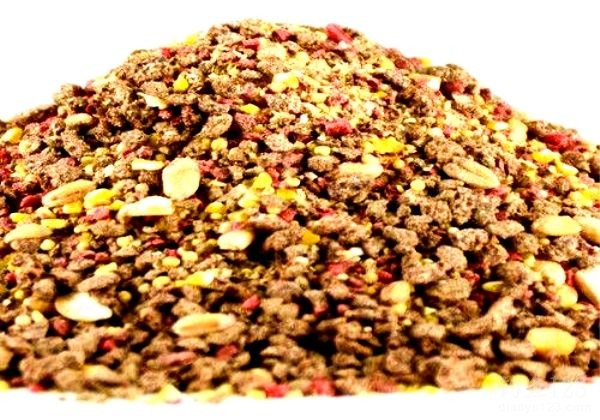
For baiting these spots, I use a mix of Wuliang You rice wine bait and Wuliang You No. 1. I only put a small cage of the mix in each spot—you don’t need a ton. The goal is to attract fish without overfeeding them. Once I’ve set all the spots, I wait 40 minutes for the bait to work. That’s enough time for the scent to spread and draw in the fish, but not so long that smaller fish eat all the bait before the big ones arrive.
Seasonal Twist on Grass Hole Spots
Not all grass holes are created equal—you have to adjust based on the season:
- Winter: Pick grass holes on the south side of the grass clumps. The sun hits this side more, so the water is warmer, and fish cluster there to stay cozy.
- Summer & Fall: Stick to north-facing grass holes. They’re cooler, and fish avoid the hot, sunny areas during these months.
And remember: traditional fishing is all about mobility. Don’t just camp out at one spot. If you’re not getting bites after 10-15 minutes of teasing the bait, move to the next spot. Rotate between your 6-8 holes, and you’ll eventually find where the fish are hiding.
Traditional Fishing Baiting & Teasing Techniques: Patience & Precision Win
Unlike Taiwanese fishing, which combines baiting and fishing into one step, traditional fishing is all about separating the two: first you lure the fish to your spot, then you catch them. And once you’re fishing, teasing is your secret weapon.
My Baiting Routine for Wild Fishing
When I set up my nest spots, I use that small cage of rice wine mix I mentioned earlier. But here’s the key: I don’t dump a ton of bait. If you over-bait, the fish will be full and won’t bite your hook. A little goes a long way. Then, once I start fishing, I top up each spot with a tiny bit of rice wine whenever the bites slow down. Just a handful is enough to keep the fish around.
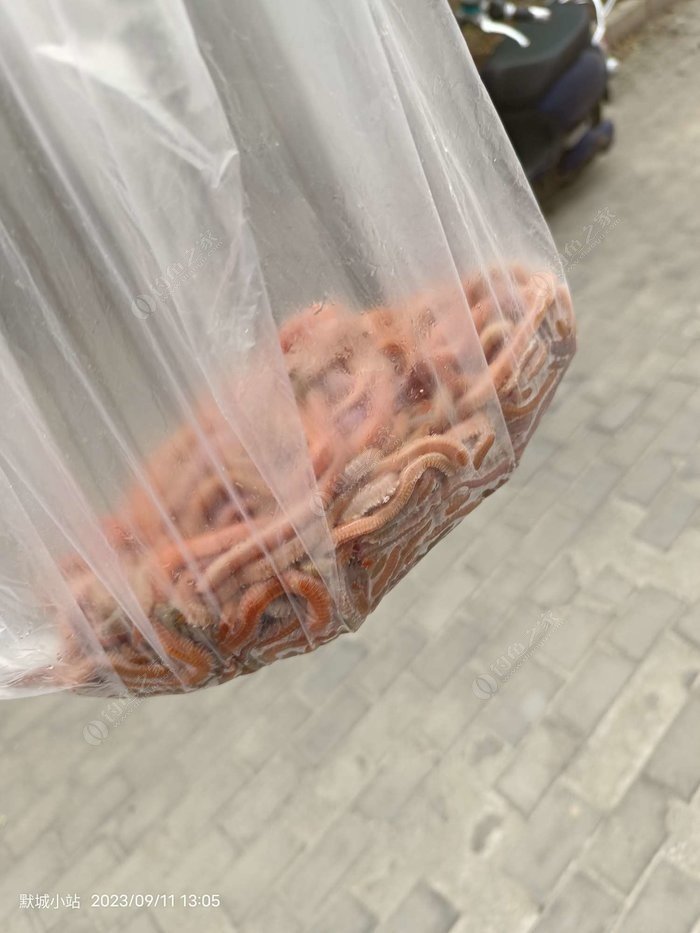
For the hook bait? Earthworms are king. They’re cheap, they’re easy to find, and wild fish go crazy for them. I use a classic seven-star float setup with a long rod and short line—12m rod with a 4m line, to be exact. It takes a little getting used to, but once you master casting it into those tiny grass holes, you’re golden.
Teasing the Bait: How to Get Lazy Fish to Bite
Wild fish are skittish, especially in grassy areas. You can’t just drop your bait and wait for them to come to you. You have to tease them. Here’s my technique:
- Gently lift the bait 2-3 inches off the bottom, then let it fall slowly.
- Wait 30 seconds, then repeat. This mimics a live worm moving, which triggers the fish’s hunting instinct.
- If you don’t get a bite after 5-6 teases, move to the next spot. Don’t waste time on a dead hole.
At first, I still had those annoying minnows stealing my bait. But after rotating through my spots a few times, I finally got a solid bite—and it was a huge crucian carp. From there, it was non-stop. I’d fish one spot until the bites slowed down, top up the bait, move to the next, and repeat. By mid-afternoon, my rod was bending constantly with big fish. It was the most fun I’ve ever had fishing.
Fixing Traditional Fishing’s Biggest Flaw: Fishing When Fish Don’t Stay on the Bottom
Traditional fishing isn’t perfect. It has three big downsides compared to Taiwanese fishing:
- The baiting effect is slower and less powerful.
- It’s hard to catch fish when they’re swimming mid-water instead of on the bottom.
- You don’t get those sharp, clear “tap tap” bites—most bites are the float rising up, which takes some getting used to.
The biggest pain point for me was when fish don’t stay on the bottom. But I figured out a quick fix to my line setup that solved the problem. Here’s what I do:
Add a lead weight seat 15-20cm above the upturned hook, then attach a small float to the hook handle. This setup makes the hook float just off the bottom, so it’s at the same level as mid-water fish. I tested this out last month when the water was warm and fish were staying away from the bottom, and it worked like a charm—I caught 10+ fish in an hour using this trick.
Taiwanese Fishing vs. Traditional Fishing: Know When to Switch
Don’t get me wrong—I still love Taiwanese fishing. It’s great for open, calm water where you can cast precisely and maintain a single bait spot. My Taiwanese fishing routine usually involves no pre-baiting at all: I just use rub bait or loose-feed and cast repeatedly. If I’m fishing a spot I know well, 10-20 casts are enough to lure in a group of crucian carp, and they’ll stay as long as you keep casting regularly—unless a big spooked fish crashes the party.
But when you’re dealing with wild, overgrown water, traditional fishing is unbeatable. Here’s a quick cheat sheet to help you choose:
- Use Taiwanese fishing when: You’re fishing open, calm water, you want a fast, active setup, or you’re targeting fish that stay in a single area.
- Use traditional fishing when: You’re fishing grassy wild areas, you need to cover multiple spots, or the fish are skittish and hard to lure with quick casts.
The key is to be flexible. Don’t get stuck using one method just because it’s your favorite. If your setup isn’t working, switch it up. I almost left that wild pond empty-handed, but one small change turned my day around. You never know what might happen if you’re willing to try something new.
Final Thoughts: The Joy of Traditional Fishing
That day at the wild pond, I went home with 20 pounds of fish, including 20+ trophy crucian carp, and a whole new appreciation for traditional fishing. It’s not about having the fanciest gear or the most technical setup—it’s about understanding the fish, being patient, and adapting to your surroundings.
Whether you’re a seasoned angler or just starting out, give traditional fishing a try next time you’re in a wild, grassy area. Set up those 6-8 grass holes, tease your bait, rotate between spots, and don’t forget to top up the bait when bites slow down. You might not get a monster haul every time, but you’ll have fun, and you’ll learn something new about fishing every time you cast your line.
Now go grab your long rod, dig up some earthworms, and hit the water. Good luck—may your hooks be sharp, your bait be fresh, and your next catch be a personal best!