Taiwanese Fishing Methods for Natural Waters: Why Your Bait Isn’t Working (And How to Fix It)
Let’s be real—nothing stings more than showing up to a natural fishing spot, dropping a huge pile of bait, and watching your neighbor haul in fish left and right… while you’re stuck staring at a still bobber. I’ve been there! You think, “I did everything right—why am I getting skunked?”
Here’s the tea: Taiwanese fishing (or “Tai-style” fishing, for short) isn’t just about plopping a rod in the water. It’s all about lure-and-catch synergy—you can’t have one without the other. If you’re missing out on bites, it’s probably one of these four sneaky mistakes. Let’s break ’em down, shall we?

1. The #1 Mistake: You Picked the Wrong Spot (Duh, But Hear Me Out)
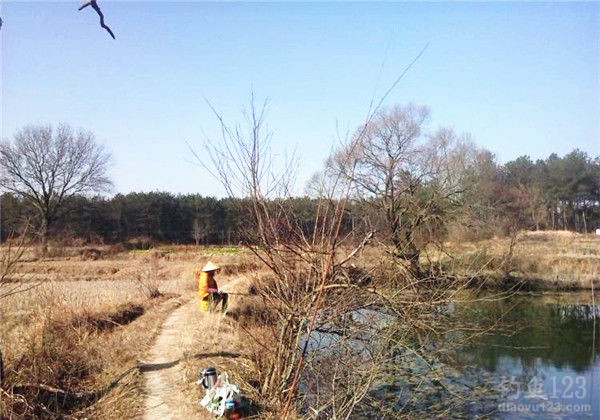
Okay, okay—“choose the right spot” sounds basic. But let’s get specific. I once fished a northern lake in early spring: I set up in the deepest part of the cove because “fish hide in cold water,” right? Wrong. By 10 AM, the sun hit the shallow shoreline, and the water there warmed up 5 degrees faster than the deep stuff. My neighbor was 20 feet away in 2 feet of water, reeling in bluegill like crazy. I? Nothing. Nada. Zilch.
How to Nail the Spot (For Real This Time)
- Follow the sun (but not blindly): On sunny, breezy days, stick to the sun-facing bank. But if it’s overcast or windy, check the leeward side (where the wind doesn’t hit) for calmer water.
- Chase the temperature: Spring = fish move shallow as water warms. Summer = head to deeper holes at midday (fish escape the heat). Fall = go shallow again for pre-winter feeding.
- Watch the clock: Morning/evening = shallow. Midday = deep. Pro tip: Use a cheap water thermometer if you’re unsure—game changer.
Last month, I tested this: I moved from a deep hole at 11 AM to a 3-foot shallow spot with sun. Within 10 minutes, I caught a 12-inch bass. No lie—this stuff works.
2. Your Bait Sucks (Sorry, Not Sorry)
Let’s talk bait. I once used a super smelly shrimp bait in a lake full of tiny sunfish. Those little guys went crazy—they were nibbling my hook so fast I couldn’t get a bite from the big bass I was targeting. Frustrating! Turns out, my bait was too “loud” for the situation.
Bait Rules for Natural Waters (Tai-Style)
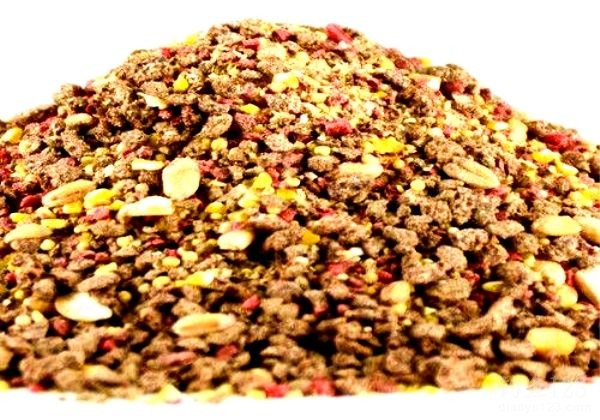
- Hot weather = go mild: When water’s warm (70°F+), fish get picky. Use grain-based baits (corn, wheat, or store-bought “natural” mixes). Why? Tiny fish love protein-packed stuff, so mild baits scare them off and let big fish move in.
- Cold weather = go protein-heavy: Fish need energy to survive cold. Use baits with shrimp, algae, or fish meal. Last winter, I used a shrimp-and-corn mix in a creek—caught 8 catfish in 2 hours. No joke.
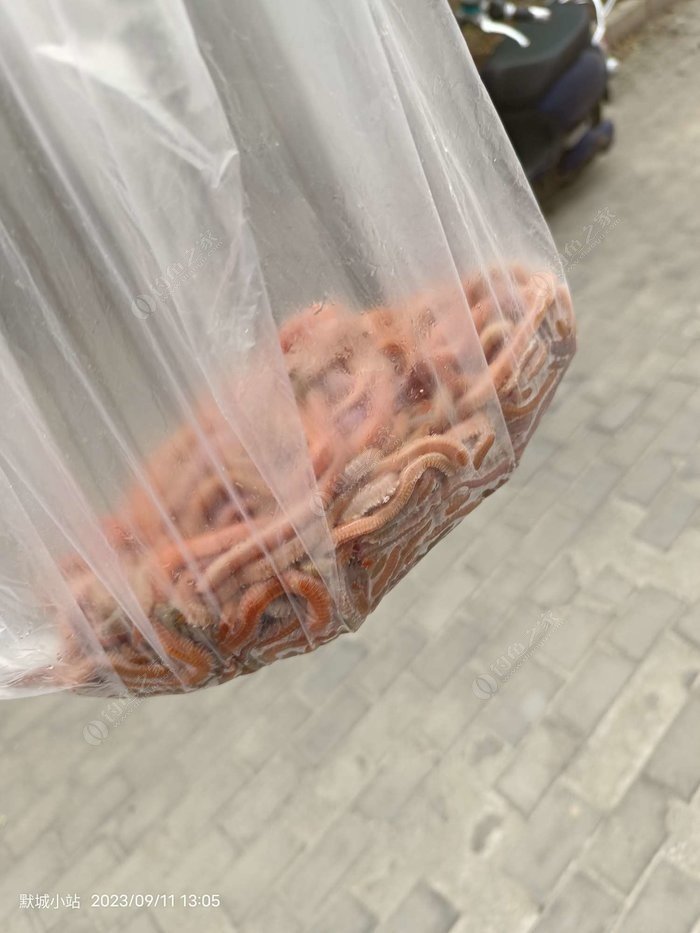
- Match the “local menu”: If you see minnows jumping, use a minnow imitation. If the shore has lots of grass, try a grasshopper or worm. Fish eat what’s already there!
Oh, and pro move: Don’t overdo the flavor. I once added three squirts of garlic spray to my bait—fish avoided it like the plague. Less is more, folks.
3. You’re Fishing for the Wrong Fish (Without Realizing It)
Here’s a secret: Wild fish are not the same as pond-raised fish. I learned this the hard way when I fished a public lake vs. a private pond. Let’s compare:
Wild vs. Hatchery Fish: Bait Differences
- Wild fish: Scared of new stuff. Use natural, low-odor baits. Last spring, I caught 5 wild trout with a plain worm—no fancy lures needed.
- Hatchery fish: Used to being fed the same thing every day. Use “original pond food” (like plain corn or pellet bait). I once used a store-bought “pond mix” in a hatchery pond and caught 10 catfish in an hour.
Another thing: Big fish vs. small fish. Small fish (like bluegill) love tiny, soft baits. Big fish (like bass) want something that looks like a meal—try a minnow or a chunk of worm. I once tried a tiny worm for a big bass—nothing. Switched to a minnow, and boom—15-inch bass in 5 minutes.
4. Your Chumming Game Is Trash (And It’s Scaring the Fish)
Let’s be honest: Most of us have done this. Show up, throw a handful of chum (or even a whole can of corn) into the water, and wait. But here’s the problem: If you dump too much chum, you’re either:
- Making fish full (so they don’t bite your hook), or
- Creating a “sludge layer” (old chum rots and makes the bottom gross—fish hate that).
I once watched a guy dump 20 pounds of chum into a small pond. The next week, I fished there—no bites. The bottom was covered in rotting chum. Gross.
How to Chum Like a Pro (Tai-Style)
- Start small: Throw 1-2 handfuls of chum (crushed corn, bread crumbs, or store-bought chum) when you arrive. No more!
- Keep it consistent: Every 15-20 minutes, throw a tiny pinch of chum. This keeps fish coming without overfeeding them.
- Use your bait to “lure” them: Instead of dumping chum, cast your bait (with a little extra chum on it) into the spot. This is called “feeding with your cast”—it’s the Tai-style secret to keeping fish around.
Last summer, I tried this: I cast my bait (with a tiny pinch of chum) every 10 minutes. Within 30 minutes, I saw fish jumping near my spot. Caught 4 bass that day. Game. Changer.
Final Thoughts: It’s All About Reading the Water
Here’s the thing: Tai-style fishing isn’t about fancy gear or expensive bait. It’s about paying attention. Watch the water—do you see bubbles? That means fish are feeding. Is the water murky? Use a brighter bait. Is it clear? Go natural.
I once fished a river where the water was super clear. I used a plain worm, and nothing happened. Switched to a bright red worm—caught 3 trout in 10 minutes. Why? Because the clear water made the red stand out. Simple, right?
Oh, and one last tip: Don’t be afraid to move. If you’re not getting bites after 30 minutes, pack up and try a new spot. I once moved 50 feet down the shore and caught 2 catfish in 5 minutes. Sometimes, it’s just the spot.
So next time you’re out there, remember: It’s not you—it’s your spot, bait, or chum. Fix those, and you’ll be hauling in fish like your neighbor. Trust me—I’ve been there, and it works.