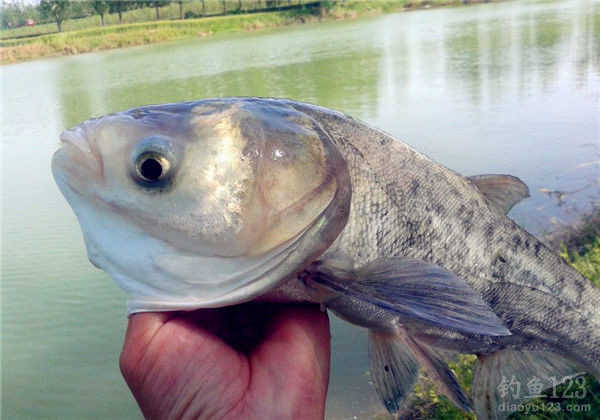
How to Choose Baits and Tackle for Float Fishing Silver and Bighead Carp
Let me start with a little confession: I used to HATE fishing for silver and bighead carp. Why? Because those fish are covered in this slimy, slippery mucus that gets everywhere—on your net, your fish basket, even your fishing line. It’s a total mess to clean up! But then, a friend took me to his restaurant and I tried braised fish head with pancakes and boiled bighead carp… and let me tell you, I was hooked (pun totally intended). Now, if there’s a spot where I can catch monster silver or bighead carp, you bet I’ll be there with my gear ready to go.

What Silver and Bighead Carp Are Really Into
First things first: if you want to catch these fish, you need to understand their vibe. Silver and bighead carp are filter feeders—they suck in water and strain out tiny food particles through their gills. That’s why cities and lake managers love stocking them: they act like natural water filters, cleaning up algae and other gunk. Heck, even the U.S. imported them (along with other Asian carp species) for water filtration, and we all know how that turned into an invasive nightmare later!
On top of being nature’s little cleaners, they grow fast. That’s why so many fish farms raise them as commercial species. So putting all this together? The biggest takeaway is that silver and bighead carp go crazy for highly atomized baits—stuff that breaks down quickly in the water and creates a cloud of tiny particles they can filter out.
Bait: Atomization First, Flavor Second (But Flavor Still Matters!)
Why Atomization Is Non-Negotiable
We already established that atomization is king here, right? But let me hammer it home: if your bait doesn’t break down fast enough to create that food cloud, you’re basically wasting your time. These fish aren’t going to nibble at a solid lump of bait—they need that cloud to swim through and filter. So no matter what flavor you pick, make sure your bait dissolves quickly in the water.
Flavor Options (Spoiler: There Are a LOT)
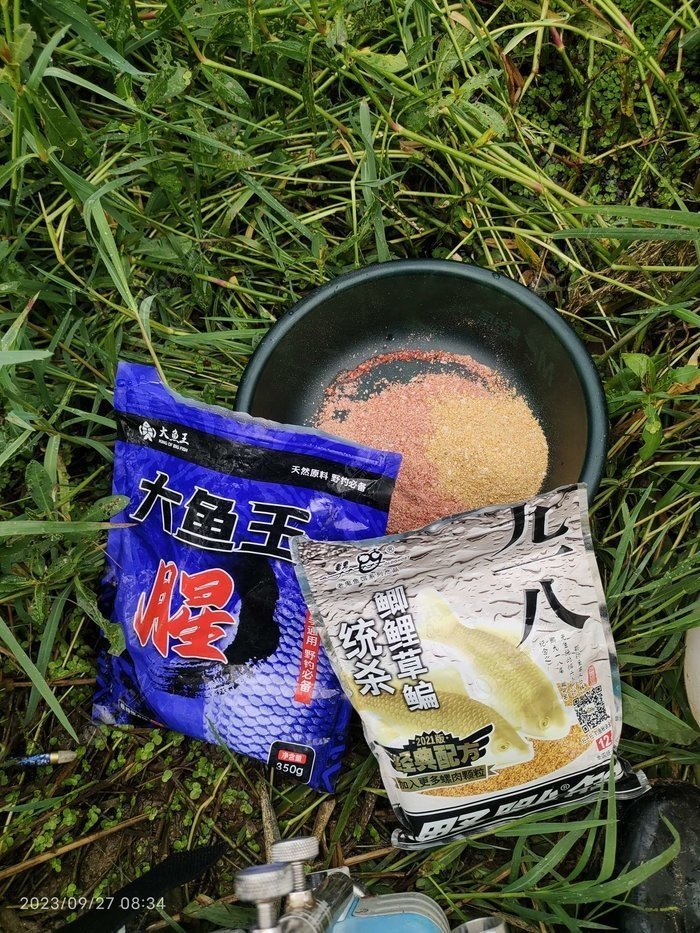
Here’s where a lot of new anglers get confused: what flavor bait should you use? Walk into any fishing store, and you’ll see all kinds of silver and bighead carp baits: strawberry, sour-sweet, garlic, fermented bean curd… the list goes on.
Let me clear the air: there’s no one “right” flavor. I’ve caught these fish using super sweet, fruity baits, stinky fermented baits, and even straight-up fishy, meaty baits. The key is to match the flavor to the water and season, but never skip the high atomization rule.
- If you’re fishing in a busy, stocked lake, bright fruity flavors (like strawberry) usually work like a charm—they cut through the noise and grab the fish’s attention.
- In warmer water or during summer, sour-sweet or slightly stinky baits can trigger more bites, since the heat makes those scents spread faster.
- Don’t sleep on meaty baits! I’ve had days where the carp were only going for pure fishy lures, especially in cooler spring or fall weather.
Tackle and Line Setup: Keep It Simple (But Adjust for Big Fish)
Line and Hook Basics
Let’s keep this straightforward: use lighter line for smaller carp, and heavier line for big monsters. That’s fishing 101, right? But here’s the trick that a lot of anglers miss when going after big silver and bighead carp: your leader lines need to be long. Like, really long. I usually use a 1-meter line folded in half for my leaders.
Why the long leader? Because it gives the bait more time to atomize and create that food cloud before the line pulls it too tight. It also gives the skittish big fish more space to swim around the bait without spooking themselves on the main line.
Hook Spacing: Avoid the “Bridge” Mistake
Another crucial detail: hook spacing. When fishing for big carp, I keep my hook distance between 30 to 50 centimeters. If your hooks are too close together, you risk the fish getting hooked in both the mouth and the body (called “bridging”), which almost always leads to them breaking free before you can reel them in. No one wants to lose a monster catch because of a tiny hook spacing mistake!
When to Fish: Timing Is Everything
Silver and bighead carp love warm water—they’re way more active in the summer heat. But here’s the thing: they’re total oxygen junkies. If the water is stagnant or the weather is super muggy, they’ll swim to spots with more oxygen, like inlets, outlets, or areas with moving water.
My best days fishing for these carp are usually on bright, slightly windy summer days. The wind ripples the water, which adds oxygen, and the heat keeps them active. If it’s a still, hot, muggy day? Save yourself the frustration and head home—you’ll spend all day waiting for a bite that never comes.
Bonus: Using a Surf Rod for Silver and Bighead Carp
Float fishing with a regular rod is great, but don’t sleep on using a surf rod! The setup is similar to float fishing: you need a “water monster” feeder (a special cage bait holder) and a big float to keep everything at the right depth.
Here’s how I do it: I set my float to keep the bait 1 to 2.5 meters below the surface, fill the water monster with highly atomized bait, and cast it out. I usually leave a couple of hooks sticking out of the bait, or sometimes none at all—since the bait creates such a big cloud, the fish will swim right through the hooks without noticing.
Just like with regular float fishing, make sure you cast to spots with good oxygen flow. Inlets, near docks with moving water, or areas where the wind is pushing the surface are all great spots.
At the end of the day, fishing for silver and bighead carp is all about leaning into their natural habits: give them that cloud of atomized bait, set up your tackle to let the bait do its thing, and pick a flavor that matches the day’s conditions. And hey, even if you get covered in that slimy mucus? Trust me, it’s worth it when you reel in a big one and cook up a delicious fish dinner later. Now go grab your gear and give it a shot—you won’t regret it!