Let’s be real—if fishing were a sport where your gear is your battle buddy, then winter’s the time to patch them up before next season’s battles. I’ve lost count of how many times I’ve grabbed a rod in spring only to find the tip cracked, a hook rusted shut, or a float that’s suddenly as unresponsive as a teenager on a Monday morning. Total bummer, right? So today, we’re diving into exactly how to keep your Taiwanese-style fishing gear (you know, those sleek rods and precision floats) in tip-top shape while the water’s too cold to cast. No fancy jargon, just real tips from someone who’s definitely made every gear mistake in the book.

1. Rod Maintenance: Don’t Let Your Most Expensive Tool Rot Away
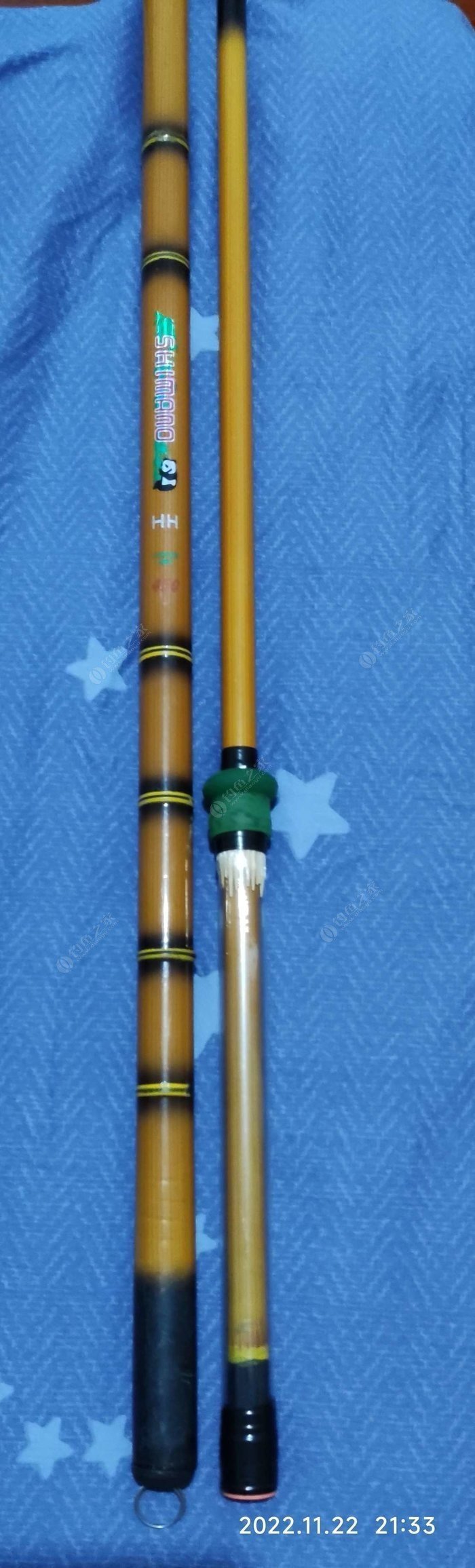
Let’s start with the star of the show—your Taiwanese rod. These things aren’t cheap, and I’ve seen too many anglers treat them like disposable sticks. Newsflash: that dirt and gunk from the lake? It’s not just gross—it’s acidic or alkaline, and it’ll eat through your rod’s finish faster than a catfish eats a worm. Last year, I skipped cleaning my rod for two weeks, and the next time I pulled it out, the guide rings were scratched, and the butt section had a weird white crust. Never again.
Step-by-Step Rod Cleaning & Protection
- First, yank off those end caps (front and back). You’d be shocked how much dust and crud gets trapped inside the sections—mine once had a dead ant colony (gross, I know).
- Fill a bucket with lukewarm water (no hot water—heat messes with the rod’s resin). Grab one section at a time, hold it vertical, and pour water down the top. Let it drain out the bottom to flush out gunk. If the joints are stubborn, wrap a cotton ball around a tweezers (gently!) and wipe inside the ferrule.
- Wipe the outside with a soft cotton cloth—no paper towels! Those little fibers scratch the finish. I once used a paper towel and ended up with a rod that looked like it fought a bush. Oops.
- Let it air dry in a cool, shaded spot. Do NOT put it in the sun—sunlight turns the resin brittle, and next thing you know, your rod snaps mid-cast (ask me how I know).
- Now, the fun part: wax or oil! I use a dedicated rod wax (don’t use car wax—trust me, it leaves a weird residue). Here’s a pro tip: collapse the rod first, tighten the butt cap, then extend it one section at a time to wax. That way, you don’t get wax on the ferrules—nothing’s worse than a rod that won’t collapse because of waxy joints. Rub a thin layer on, then polish with a dry cloth until it’s shiny (like your favorite fishing buddy’s ego).
Storing Your Rod Like a Pro
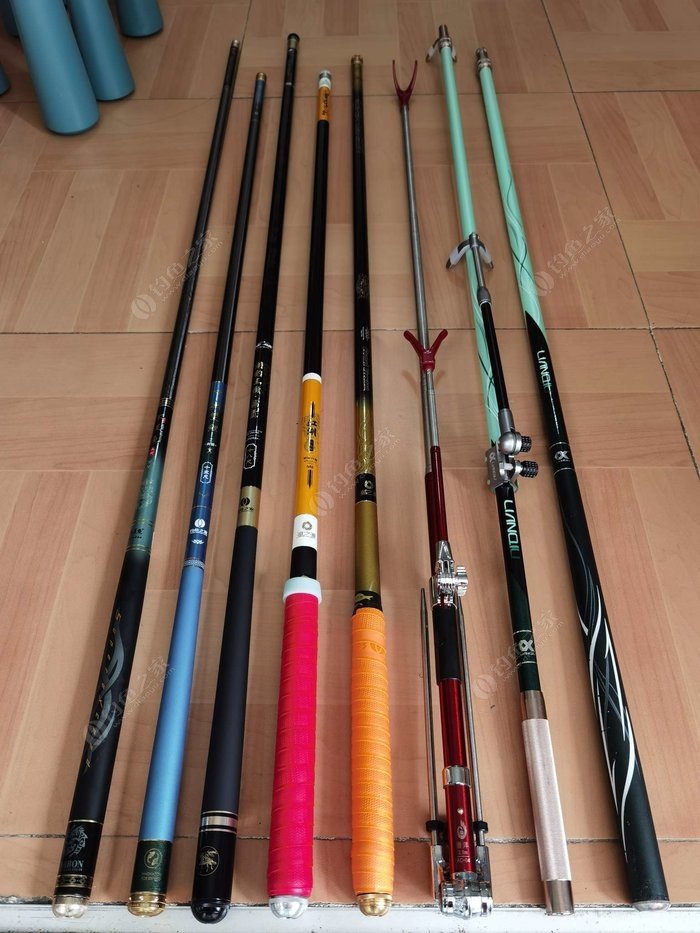
Once it’s dry and waxed, pop those end caps back on (they keep dust out!). Slide it into a padded rod sleeve—no, a plastic bag won’t cut it. Then stash it somewhere dark, dry, and cool. I keep mine in my basement closet, away from the water heater (heat = enemy #1). Oh, and don’t lean it against the wall—those pressure points can warp the sections over time. Hang it or lay it flat. Your future self will thank you.
2. Float Care: Your “Fishing Eyes” Can’t Go Blind
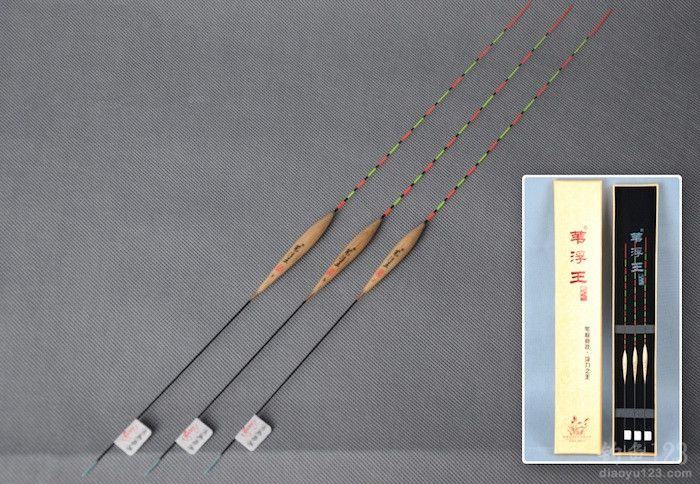
Floats are like your fishing eyes—if they’re messed up, you’ll miss every bite. Last spring, I used a float that I’d stored in a drift box all winter, and it was so unresponsive, I thought the fish were on strike. Turns out, the surface was corroded from lake gunk, and it was sticking to the water. Total facepalm.
Cleaning Floats Without Ruining Them
Here’s the big no-no: don’t use soap or toothpaste. The fluoride in toothpaste eats through the float’s coating, and soap leaves a film that makes it hard for the float to move. Just use plain old water. Wet the float, then wipe it with a soft cloth (I use an old microfiber towel from my gym—don’t judge). If there’s a stubborn stain, soak it in water for 10 minutes—most gunk will soften right up. And for the love of all things fishing, don’t pick at stains with your nails. I once chipped a $20 float doing that. RIP.
Storing Floats to Avoid Warping
Here’s the tea: storing floats horizontally in a drift box is a death sentence. The weight of the float bends the body over time, so it won’t sit straight in the water. I learned this the hard way—my favorite float turned into a “C” shape after one winter. Now I use two methods:
- Foam Board Method: Grab a flat piece of foam (I use the kind from packing boxes) and stick the floats vertically into it. Keep it in a dark, dry spot. No more warping!
- Hang Them Up: Tie a fishing line across a closet, add some float stops, and hang the floats upside down by their tips. Same idea—gravity keeps them straight. Just make sure they’re not touching the wall.
3. Line & Hook Care: Don’t Let a Rusty Hook Ruin Your Day
Lines and hooks are the unsung heroes—until they fail. Last summer, I had a 10-pound carp snap my line because I’d stored it tight on a spool all winter. The line was stretched out, and it had zero strength left. Ugh. And hooks? I once used a rusty hook that bent when I set it—lost a monster catfish because of it. Never again.
Line Maintenance: Keep It Strong & Snag-Free
- After each trip, wipe the line with a damp cloth (I use a old sock—again, don’t judge). This gets rid of lake gunk that eats through the line. Then wind it onto a round spool—square spools cause kinks that never go away.
- Don’t wind it too tight! Tight line stretches it out, and it’ll lose its elasticity. I once wound my line so tight, it looked like a guitar string. Next trip, it snapped on the first cast.
- Store spools in a cool, dark place—away from chemicals (like paint or cleaning supplies) and heat. I keep mine in a plastic bin under my bed. No more sun damage!
Hook Care: Keep Those Points Sharp
- First, toss any hooks that are rusted or bent—they’re useless. Then wipe the good ones with a cloth to get rid of dirt. If they’re dull, use a hook file (not a knife—you’ll mess up the point). I keep a small file in my tackle box just for this.
- To prevent rust, dip them in a tiny bit of oil (I use 3-in-1 oil) or put them in a sealed bag with a desiccant packet (those little silica gel things from shoe boxes). I once forgot to do this, and my entire box of hooks turned orange. Total waste of money.

4. Bait & Lure Storage: Don’t Let Your Secret Weapon Go Bad
Baits and lures have a shelf life—don’t let them turn into mush. Last year, I left an open bag of boilies in my garage, and it grew mold that looked like something out of a horror movie. Gross. And small baits (like pellets) turn into dust if they get wet. Here’s how to keep them fresh:
Keeping Baits Fresh All Winter
- For open bags: Use a chip clip to seal them tight, then put them in a vacuum-sealed bag. I bought a cheap vacuum sealer on Amazon, and it’s saved my baits. No more mold, no more stale smells.
- Store them in a cool, dark place—my basement is perfect. Avoid the garage (too hot in summer, too cold in winter) and the attic (way too hot).
Small Lure Storage: No More Tangles
Small lures (like jigs or soft plastics) get tangled faster than a toddler’s shoelaces. I use a small tackle box with dividers, or I tie them to a piece of foam. For soft plastics, don’t store them with other lures—they’ll stick to metal hooks and get ruined. I keep mine in a separate plastic bag.
Alright, that’s all my gear maintenance secrets! I used to skip this stuff, but after losing a $100 rod and a monster fish, I learned my lesson. Now, when spring rolls around, my gear is ready to go—no surprises, no last-minute runs to the tackle shop. What’s your biggest gear mistake? Drop it in the comments below—I’d love to hear (and maybe laugh a little, sorry not sorry).