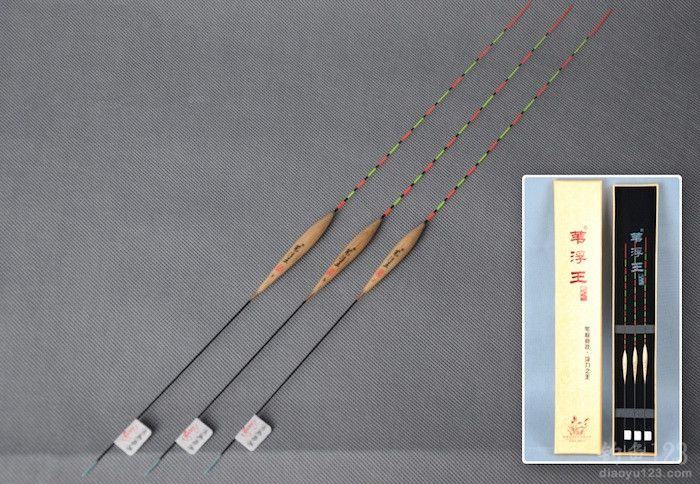
Why Does Your Fishing Float Automatically Gain Extra Eyes? A Angler’s Real-World Discovery
Let’s cut to the chase: if you’ve ever been mid-session, reeling in catch after catch, and suddenly noticed your float’s “eyes” (those little marks that tell you your depth) start creeping up—like, you set it for 2 eyes, and now it’s sitting at 4 or 5? You’re not going crazy. I’ve been there, and let me tell you, it’s not just a fluke. Last winter, I had a day that started off so good—big winter carp, steady bites, the works—until my float decided to do its own thing. And after hours of scratching my head (and almost losing a few more fish because of it), I finally figured out the real culprit. Spoiler: it’s not the water getting cloudy, or oil on the surface. It’s something way simpler (and way more annoying) that’s been hiding in plain sight this whole time.
The Day My Float Decided to “Grow” Eyes
Let’s set the scene: it was a crisp winter morning, I was set up at a local reservoir with a flat bottom—no snags, no weird drop-offs, perfect for my go-to rig: 3 eyes of buoyancy (that’s my “adjustment” depth) and 2 eyes of “fishing” depth (so the bait’s just touching the bottom). I cast, let it settle, and boom—first carp, then another, then another. I was on fire. Until… wait a second. I cast again, and instead of the float sitting at 2 eyes, it was at 3. Then 4. By the 10th fish? That little red mark (my 5th eye) was peeking out of the water. And suddenly, the bites went weird.
Before, I was getting those classic “dips” (the float sinks a little—fish are picking up the bait) that I could hit every time. Now? Almost no dips. Just tiny lifts—like the float was nudged up a hair. I missed a few, then when I did hook one, it felt off—like the bait wasn’t where it was supposed to be. I even had a few times where I went to re-bait, and realized a fish had already taken it while I was fumbling with my tackle box. Total chaos. And I knew something was wrong—because my rig hadn’t moved. The knots were tight, the space beads (those little things that keep your float in place) weren’t shifted, the bottom was still flat. So why was my float acting like it had a mind of its own?
The Wild Goose Chases (And Why They Were Wrong)
First, I did what any angler does when confused: I Googled it. Found a couple of old articles from “experts” saying two things:
- One guy said water density changes—like, when fish stir up mud or bait dissolves, the water gets heavier, so your float sits higher. But wait—this was a big reservoir with a current. A few carp stirring up mud? That’s like a drop in the ocean. No way that was making my float jump 3 eyes.
- Another said oil on the surface—like someone dumped motor oil, which makes the float more buoyant. But I was fishing in a remote spot, and I always press my line under the water when I cast. No oil. No way.
So those theories were out. I needed to test this myself. I grabbed a tiny rubber eraser (hear me out—erasers are dense, so they sink) and tied it to my hook. Then I cast it out, let it sit, and checked the float. Instead of the 2 eyes I expected? It was at 5. 5! That’s a huge jump. And that’s when it hit me: the line. The water line—the part of your line that’s under the water—was getting longer. But why?
Wait, Lines Stretch? Like, Actually Stretch?
Oh yeah. I was using a “free” line that came with a bait pack—some no-name brand, 0.8 size, said it was for “main lines.” Turns out, most nylon lines (the cheap ones, anyway) stretch. A lot. When you catch a fish, it pulls. When it fights, it pulls harder. And that line? It doesn’t just snap (well, sometimes it does). It stretches. A little at first, but after 5, 10, 15 fish? That stretch adds up. And when your main line stretches, the water line gets longer. Which means your float sits higher. Because the bait is now further from the float—so the float has to rise to keep the bait on the bottom. Duh! I felt so stupid for not thinking of that earlier.
Let’s do the math (sort of): my water was 2.8 meters deep. By the end of the day, I had to move my float down 7-8 centimeters three times. That’s 24 centimeters total. 24 cm out of 2.8 meters? That’s about 3% stretch. And that’s a lot. Especially for a “main line” that’s supposed to be strong.
What This Means for Your Fishing (And How to Fix It)
So if your float is suddenly gaining eyes, don’t panic. Don’t blame the water, don’t blame the fish. Blame the line. But what do you do about it? Here’s what I learned the hard way:
1. Stop Buying Cheap “Free” Lines
That free line I used? Garbage. Turns out, most good lines (especially main lines) have low stretch. The problem? Most brands don’t tell you that. They just say “strong” or “smooth.” So how do you pick a good one?
- Feel it: pull a piece of line tight. If it stretches a lot (like a rubber band), skip it. Good lines should feel firm—hardly any stretch when you pull.
- Stick to brands: I now buy Japanese lines (they’re pricey, but worth it) because they actually label if it’s for main line or leader. No more guessing.
- Avoid “bargain” packs: if it’s $5 for 10 spools? It’s probably stretchy junk. Save your money for a few good spools.
2. Check Your Float After Every 5-10 Fish
I used to set my float once and forget it. Now? Every time I land 5-10 fish (especially big ones), I do a quick check. Here’s how:
- Tie a small sinker (or that eraser trick) to your hook.
- Cast it out, let it settle.
- Check the float’s eyes. If it’s higher than your target? Move the float down a little.
It takes 30 seconds, and it saves you from missing bites (and losing fish). Trust me—last winter, I missed 2 big carp because I didn’t do this. Never again.
3. Replace Stretched Lines (Don’t Be Cheap)
Here’s the thing: stretched lines lose their strength. Even if they don’t break, they’re weaker. So if you’ve caught a few big fish, or your line has stretched a lot (like mine did), throw it away. Don’t reuse it. I once used a stretched line and had a 10-pound carp snap it like a twig. I still kick myself for that.
My Final (Annoyed) Thought
Look, I love fishing. But sometimes, the little things drive me crazy. Like a float that decides to “grow” eyes because of a cheap line. But now that I know the trick? My sessions are way better. Last month, I used a good Japanese main line, checked my float every 10 fish, and landed 18 carp without a single weird bite. No more missing dips, no more losing fish. Just good, steady action.
So next time your float starts acting like it’s on a growth spurt? Don’t overthink it. Grab your tackle box, check the line, and adjust. And for the love of carp—stop using free lines. Your future self (and your catch) will thank you.
Oh, and one last thing: if you’re fishing in a lake with a current? The stretch gets worse. Because the current pulls on the line too. So double-check. Trust me. I learned that the hard way too.