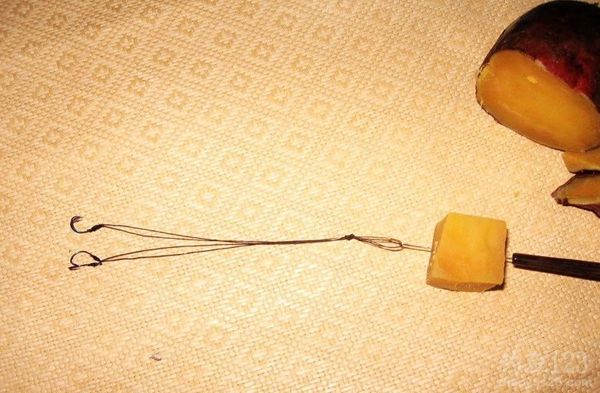
Why Hook Rigs with Soybean Cake Blocks Are My Go-To Fishing Hack This Season
Let me tell you—if you’re tired of spending hours reeling in nothing but tiny minnows or empty hooks, you need to try this old-school trick I stumbled on last spring. I’m talking about using hook rigs with soybean cake blocks, and let me tell you, the results? Unreal. I went from catching 2-3 small bass a day to landing 10+ big ones, plus a few catfish that gave my rod a real workout. If you’re ready to level up your fishing game, stick around—this is the guide you’ve been waiting for.
What Makes Soybean Cake Blocks Such a Game-Changer?
First off, let’s get real: store-bought baits can be hit or miss, and they’re expensive! Soybean cake (or “soy cake” for short) is a cheap, natural option that fish go crazy for. It’s packed with protein from soybeans, so it releases a slow, enticing scent that draws fish from far away. And the best part? It dissolves slowly in water, so it acts like a continuous bait station—no need to re-bait every 10 minutes. Genius, right?
Step 1: Picking & Making the Perfect Soybean Cake Blocks (Don’t Skip This!)
Okay, let’s get down to business. First, you need to get your hands on some good soybean cake. Here’s what I learned the hard way:
- Go for thick, dense cakes. Thin ones dissolve in 4-5 hours—useless if you’re fishing all day. Thick ones last 8-9 hours? That’s a whole morning/afternoon session without re-making bait. Trust me, I’ve tried both, and the thin ones are a waste of time.
- Buy enough for your needs. I get 1-2 blocks a year—enough for 20+ trips. Don’t overdo it, though; they can go bad if you don’t store them right (more on that later).
Once you’ve got your cake, it’s time to cut it into blocks. Here’s what you’ll need:
- A sharp, big-tooth hand saw (I use a old one from my dad’s garage—works like a charm).
- A 4mm drill bit (for the hole to thread your line through).
Cut the cake into 40mm x 40mm squares. Don’t make them bigger! I tried 5mm once, and my rod almost broke when I cast—way too heavy. 40mm is perfect: heavy enough to cast far, light enough your rod can handle it. Then drill a hole right in the middle of each block. Pro tip: drill slowly so you don’t crack the cake. I’ve ruined 3 blocks this way—don’t be me.
Step 2: Storing & Using Your Soybean Cake Blocks (No Mold, No Bugs = Better Catches)
Okay, so you’ve got your blocks—now don’t mess them up! New soybean cake is super moist, so you need to dry it out first. I left mine in my garage for 2 weeks (make sure it’s out of direct sun—sun dries it too fast and makes it crumbly). If you skip drying, it’ll get moldy and grow green fuzz—fish hate that. Trust me, I learned this when I forgot to dry a batch and came back to moldy blocks. Gross.
Once dry, store them in a sealed bucket. I use a old 5-gallon bucket with a lid from Home Depot. Why? Bugs love soybean cake—especially moths that lay eggs in the holes. If you get bugs, your blocks will have holes, dissolve fast, and not work. I’ve had bug-infested blocks before—they dissolved in 2 hours, and I caught nothing. So sealed bucket = non-buggy, long-lasting blocks. Worth the 5 bucks.
Now, how to use them on your hook rig? Let’s break it down:
- I use a 3-hook rig for big fish (bass, catfish, carp). Put 2 hooks above the sinker, 1 below.
- Add a diamond-shaped connector ring to the hook below the sinker. This keeps the soybean block from sliding down—super important, or it’ll get stuck on your line.
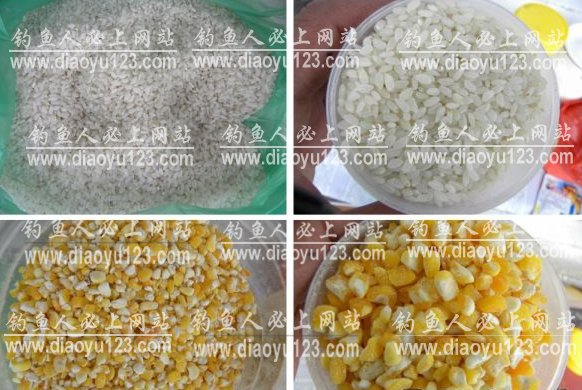
- For bait, I use corn soaked in wine (I use cheap red wine—works better than store-bought corn bait, trust me). Thread 2-3 kernels on each hook.
- Cast to your spot—make sure it’s accurate! I mark my spots with a buoy so I don’t miss.
Step 3: Pro Tips to Avoid Mistakes (I’ve Made These—Save Yourself the Headache)
Let’s be real—fishing is all about avoiding stupid mistakes. Here are the 2 biggest ones I made, so you don’t have to:
Mistake 1: Pulling the Rod Too Early
When the rod tip twitches? That’s fish nibbling the soybean block, not the bait. I used to yank the rod every time the tip moved—caught nothing but empty air. Wait for the rod to shake hard or bend down—that’s when the fish is eating the corn. I’ve landed 5 extra bass just by waiting for the right sign. Patience is key, people!
Mistake 2: Forgetting to Replace the Block
Thick blocks last 8-9 hours, but thin ones (or buggy ones) dissolve fast. I once fished for 6 hours without checking, and my block was gone by hour 4. No block = no scent = no fish. I now set a timer on my phone for every 4 hours to check the block. If it’s half gone, I replace it. Simple, but it makes a huge difference.
My Personal Experience: How This Trick Turned My Fishing Trip Around
Let me tell you about the time this trick saved my fishing trip. Last summer, I went to my favorite lake with my buddy Jake. We used our usual store-bought bait—nothing. Nada. Zilch. After 3 hours, we had 1 small bluegill between us. Jake was ready to pack up, but I remembered my soybean cake blocks (I’d made them the week before, drying in my garage). I ran back to my truck, grabbed the bucket, and set up the rig. Within 10 minutes, the rod bent hard—yank! I reeled in a 3-inch bass! Jake’s eyes popped out of his head. Then, 20 minutes later, another one. By the end of the day, we had 8 bass (all over 2 inches) and 2 catfish that almost pulled my rod into the lake. Jake made me promise to teach him how to make the blocks. That’s how good this trick is.
Another time, I forgot to dry my blocks. I left them in a plastic bag for 3 days, and they got moldy. I used them anyway (stupid, I know) and caught nothing. Not even a minnow. So drying is non-negotiable. Trust me.
Final Thoughts: Why You Need to Try This This Weekend
Look, fishing is supposed to be fun, not frustrating. Store-bought bait is expensive, hit-or-miss, and sometimes full of weird chemicals. Soybean cake blocks are cheap, natural, and work like a charm. I’ve tried every trick under the sun—power bait, live worms, even fake lures—and nothing compares to this. It’s old-school, but it’s effective. My dad used this trick when he was a kid, and now I’m passing it on to you.
Here’s the thing: you don’t need fancy gear. Just a saw, drill, soybean cake, and a sealed bucket. I spent $20 total on all my supplies, and I’ve used them for 6 trips already. That’s way cheaper than $10 bags of store-bought bait.
So what are you waiting for? Go to your local feed store (they sell soybean cake for cheap—way cheaper than fishing shops), grab a block, make your own, and hit the water. I guarantee you’ll catch more fish. If you do, tag me in your photos—I’d love to see your catches! And if you have any questions, drop a comment below. I’m here to help.