Common Liquid Fishing Bait Additives: Types, Uses, and DIY Tips for Anglers
Let’s be real—if you’ve ever spent a Saturday at the lake staring at a still bobber, you know the frustration of watching other anglers haul in fish while your bait sits untouched. That’s where liquid fishing bait additives (or “liquid baits,” as we old-timers call ’em) come in. These aren’t just fancy water—they’re the secret sauce to turn your basic dough ball or worm into a fish magnet. But wait, what exactly are they? And how do you use ’em without turning your tackle box into a chemistry set? Let’s dive in.
What Are Liquid Fishing Bait Additives, Anyway?
First off, let’s clear the air: liquid baits aren’t the same as plain water. Duh, right? Water’s boring—colorless, odorless, and about as exciting to a bass as a plain cracker is to a kid. Liquid baits? They’re colored, scented, and packed with the kind of smells fish go crazy for. Think of ’em as fishing’s version of a perfume that only your target species can smell (and trust me, their noses are way better than ours).
Pro tip: Some folks call ’em “fishing scents” or “bait enhancers,” but let’s stick to liquid bait additives for clarity. And here’s the big rule: you can’t use ’em alone. Try hanging a drop of liquid bait on a hook—good luck. It’ll slide right off before it even hits the water. These are add-ons, not standalones. Got it? Good.
Two Main Ways to Use Liquid Bait Additives
So if you can’t use ’em solo, how do you work ’em into your fishing game? There are two go-to methods—let’s break ’em down.
1. As a Dip Bait Adhesive (The “Dip & Dust” Trick)
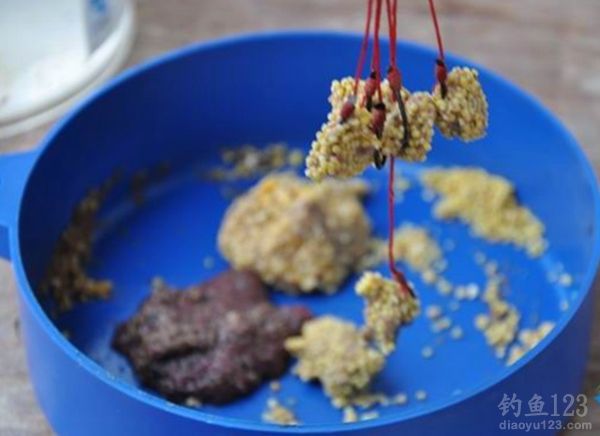
This is my go-to for small ponds and calm lakes (no wind, no waves—trust me, rough water will wash your bait right off). Here’s how it works: Grab your hook, dip it in the liquid bait, then roll it in a dry powder bait (like cornmeal, fish meal, or even store-bought dip powder). Repeat that a few times—dip, dust, dip, dust—and boom! You’ve got a little ball of scented bait that sticks to the hook. The liquid acts like glue, and the powder gives the fish something to bite.
I tested this last summer at my local pond—caught three bluegills in 10 minutes. My buddy, who skipped the liquid additive, caught zilch. Nuff said.
2. As a Bait Formula Additive (The “Scent Boost”)
This is the most common use: mix a few drops into your pre-made bait (like store-bought dough, homemade corn, or even live worms). Why? Because fish rely on their sense of smell way more than their eyes. Did you know a fish’s sense of smell is 500x better than a human’s? That’s wild. So if your bait smells like… nothing? They’ll swim right past. Add a liquid additive, and suddenly it’s like a five-star meal to them.
Think of it like this: You’re walking through a mall. Do you stop for a plain sandwich, or a pizza place that smells like garlic and cheese? Exactly. Fish are the same.
Where to Get Liquid Fishing Bait Additives
You’ve got two options here: buy ’em or make ’em. Let’s talk about both.
Option 1: Buy Ready-Made at the Tackle Shop
Walk into any fishing store, and you’ll see shelves of liquid baits—so many that you might feel overwhelmed. But don’t worry, the most popular ones are usually the best for beginners:
- Sweet scents: Pineapple, strawberry, or vanilla (great for panfish like bluegills and crappies)
- Musky scents: Anise (licorice smell—bass and pike love this)
- Acid scents: Citrus or butyric acid (perfect for catfish or carp)
Pro move: Grab a small bottle first—you don’t need a gallon. And check the label: some are made for specific fish, so that’s a good clue.
Option 2: DIY Liquid Bait Additives (Save Money & Customize)
Here’s the fun part—making your own! You don’t need a fancy lab; just a few ingredients and a jar. Let’s break down the basics.
DIY Liquid Bait Additive Ingredients
You’ll need two main things: a base liquid and a scented additive (solid or powder). Let’s list the most common ones:
Base Liquids
- White distilled water (basic, but works)
- Alcohol (vodka, whiskey, or even rubbing alcohol—wait, no, skip rubbing alcohol. Stick to drinking alcohol for safety)
- Commercial fishing scents (as a base, but that defeats the DIY purpose a bit)
- Vegetable oil (but be careful—oil can mess with water quality, so use sparingly)
Scented Additives (Solid/Powder)
This is where you get creative. The best ones are smelly (to fish, not necessarily to you) and safe for the water. Here are my faves:
- Herbs & Spices: Cinnamon, nutmeg, garlic powder, or even dried dill (trout go nuts for dill)
- Fruits: Fresh pineapple chunks, strawberry puree, or even orange peels (citrus = catfish bait gold)
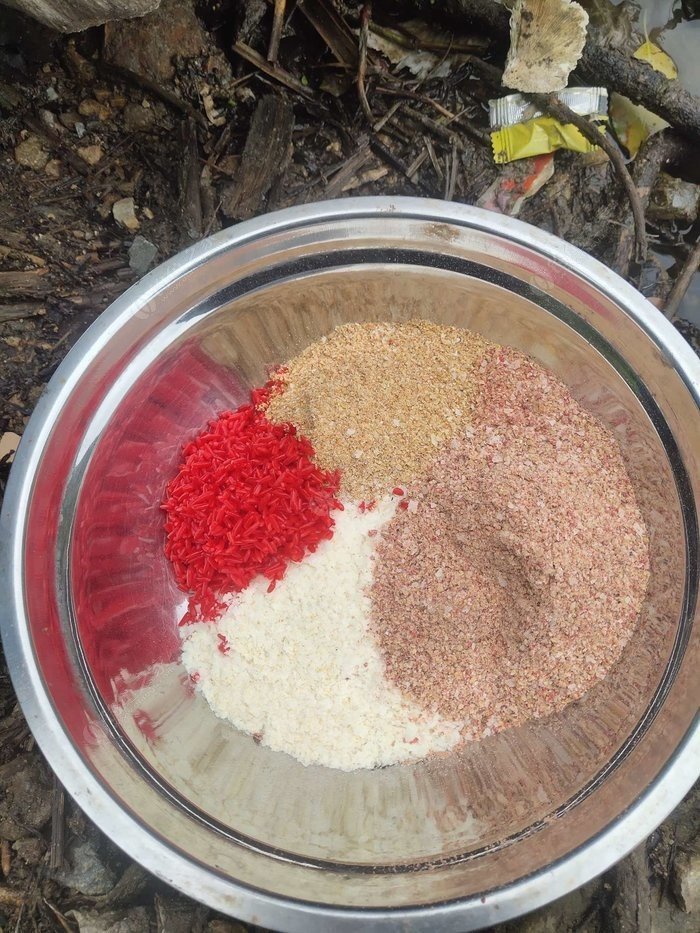
- Commercial Powders: Fish meal, shrimp powder, or even crab meal (adds protein and smell)
- Pro Tip: Avoid toxic stuff! No cleaning products, no pesticides, no weird chemicals. Keep it natural.
Popular DIY Recipe: Alcohol-Based Herb Bait Additive
This is the one I make every spring—super easy, and it works for bass and panfish. Here’s how:
- Grab a clean glass jar (mason jars work great)
- Add 2-3 dried herbs (I use cinnamon sticks + dried dill + a dash of nutmeg—total of 10-15 grams)
- Pour in enough vodka to cover the herbs (leave 1 inch of space at the top)
- Seal the jar tight and shake it once a day for 2 days (yes, 2 weeks minimum—patience is key)
- After 2 weeks, strain out the herbs—you’re left with a smelly, amber liquid that fish love
Usage tip: For summer fishing, add 3-5 drops to your bait right before you cast. For spring/fall, add the drops the night before and let the bait sit in a sealed bag—this lets the scent soak in deeper. I did this last fall and caught a 2-pound bass that I still brag about.
Another DIY: Fruit-Infused Water Additive
For panfish (bluegills, crappies) that love sweet stuff, try this:
- Chop up a small pineapple (fresh is best—canned works too, but skip the syrup)
- Put the chunks in a jar and cover with water
- Let it sit in the sun for 3-4 days (the sun helps the scent leach out)
- Strain the chunks, and you’ve got pineapple-scented water
Use this as a dip bait adhesive—dip your hook in the pineapple water, then dust with cornmeal. Game over for the bluegills.

My Go-To Liquid Bait Additives (Tested & Approved)
Let’s be honest—some DIYs work better than others. Here are the ones I swear by (and the fish do too):
1. Anise Oil (For Bass & Pike)
Anise smells like licorice (which I hate, but bass love it). I buy a small bottle of anise oil from the grocery store (it’s in the baking aisle) and mix 1 drop with 10 drops of vodka. Add 2 drops to my worm, and boom—bass start biting within minutes. Last month, I caught a 3-pound bass using this. My buddy thought I was cheating.
2. Garlic Powder + Water (For Catfish)
Catfish have a crazy sense of smell, and garlic is like catnip for them. Mix 1 teaspoon of garlic powder with 1 cup of water, let it sit for an hour, then dip your chicken liver (catfish’s favorite) in it. I caught a 10-pound catfish last summer using this—my arms were sore for days.
3. Pineapple Puree + Vodka (For Panfish)
Bluegills can’t resist pineapple. I blend a small pineapple chunk with 2 ounces of vodka, let it sit for a week, then add 3 drops to my corn bait. Last weekend, I caught 12 bluegills in an hour. My kid was obsessed—he thought we were using “fish candy.”
Common Mistakes to Avoid
Let’s save you some frustration. Here are the mistakes I made when I first started using liquid baits:
1. Using Too Much
More isn’t better! If you add 10 drops instead of 3, your bait will smell so strong that fish will swim away. Think of it like perfume—one spritz is good, a whole bottle is overwhelming. Start small.
2. Using the Wrong Scent for the Wrong Fish
Don’t use strawberry scent for catfish. Catfish like strong, savory smells (garlic, anise), while panfish like sweet (pineapple, strawberry). Do a quick Google search before you buy/make—save yourself the wasted time.
3. Not Letting the Scent Soak In
If you add the liquid to your bait and cast right away, the scent won’t stick. For best results, let it sit for 10-15 minutes (or overnight for spring/fall). I used to skip this step and wonder why my bait wasn’t working—now I know better.
Final Thoughts: It’s All About Experimenting
At the end of the day, liquid bait additives are all about trial and error. What works for me at my local pond might not work for you at your lake. So grab a small bottle, try a DIY recipe, and see what happens. Last month, I tried a cinnamon + apple cider vinegar mix (don’t ask—random) and caught a 1-pound carp. Total fluke, but it worked. That’s the fun of fishing, right?
And hey—if you catch a big one using a DIY liquid bait, hit me up in the comments (if this were a real blog). I’d love to hear your story. Until then, tight lines!