Early Spring Fishing at Stocked Ponds: How to Choose Spots & Gear for Success
Can we just talk about how exciting early spring is for anglers? The snow’s finally melting (well, mostly), the air’s starting to warm up a little, and that means it’s time to break out the rods again! I used to be all about wild fishing—lakes, reservoirs, you name it. There’s nothing like the thrill of not knowing what you’ll catch next: one cast a carp, the next a catfish? Wild. But the last two years? I’ve been dragged into “stocked pond” fishing by my buddies, and honestly? I’m hooked (pun totally intended). Yeah, it can feel like a gamble sometimes—especially with those tricky pond owners—but there’s a weird, competitive fun to it that I can’t quit. Today, I’m spilling all my early spring stocked pond tips: spots, gear, and all the little hacks I’ve picked up from trial and error (and a few expensive mistakes).

Let’s Be Real: Stocked Ponds Are a Whole Different Beast
First off, let’s call it what it is: stocked pond fishing is basically a “bet” with the pond owner. You’re not just fighting the fish—you’re sometimes fighting the guy who runs the place. Some owners will dump in “repeaters” (fish that’ve been caught and thrown back a dozen times) to save money. Or worse? They’ll toss in weird chemicals to slow the fish down so you catch less. Ugh. I’ve left more than one pond frustrated after only a couple of bites. But here’s the thing: it’s not all bad. If you come prepared? You can walk away with a cooler full of fish and a big smile. The keys? A solid setup, a knack for reading the water, and not being afraid to ask questions before you cast.
Step 1: Do Your Homework Before You Even Leave Home
Wild fishing? I’d grab my rod, toss in some bait, and go. Stocked ponds? Nope. You’ve got to do a little recon first. Here’s what I always check:
- Call the owner: Ask about the day’s fee, bait restrictions (some places ban live bait!), and if they allow chumming. Trust me, skipping this step has cost me $20+ in wasted bait before.
- Scope the pond: If you can swing it, stop by a day early. Look for shallow spots, areas with structure (like logs or rocks), and where the water moves (inlets/outlets). Early spring fish love warm, shallow water—so those spots are gold.
- Chat with other anglers: The regulars know everything. They’ll tell you if the owner’s been dumping repeaters, what bait’s working that week, and which spots are always a bust. I’ve made some great fishing buddies just by asking, “Hey, any tips?”
Early spring in my area (northeast US) is still chilly, but the ice is gone from most ponds. Most places stock channel catfish or bluegill this time of year, though a few will throw in some bass. Stick to what’s common—don’t waste time chasing species they haven’t stocked!
Gear That Actually Works for Early Spring Stocked Ponds
Let’s get real: you don’t need a $500 rod to catch fish here. But you do need gear that’s tailored to the fish and the water. Here’s my go-to setup:
Rods: Go Stiff, Not Fancy
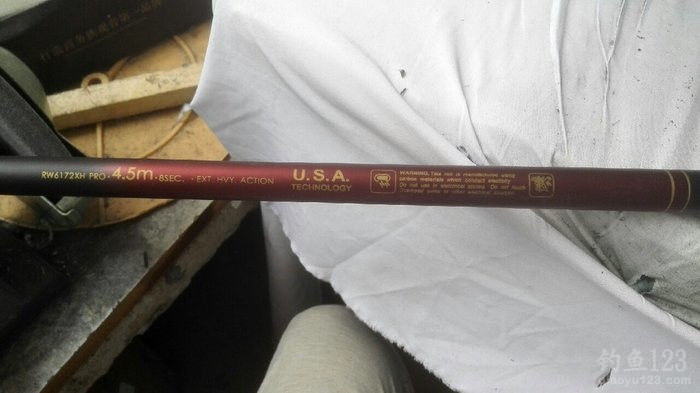
Stocked ponds are all about speed. You want to yank that fish out fast before it spooks the whole school. I use a medium-heavy to heavy rod (4H to 6H if you’re into the H rating system). Why? Because when you hook a catfish or a big bluegill, you can reel it in quick without breaking the line. I’ve tried light rods before, and let’s just say I lost more fish than I caught. Save the light rods for wild fishing—stocked ponds need muscle.
Line & Hooks: Keep It Simple (and Cheap!)
You don’t need $100 line here. I grab 10-15 lb test monofilament for catfish (around $10-$15 a spool) and 6-8 lb test for bluegill. It’s strong enough to handle big fish and cuts through the water well. For hooks? Barbless hooks are a must for most ponds (they’re easier on the fish if you’re catch-and-release, and some owners require them). I use size 4-6 for bluegill and size 2-4 for catfish. No need for fancy hooks—basic works.
Bait: Live Bait Is King (Most of the Time)
Early spring fish are hungry after a long winter, so live bait is usually your best bet. Here’s what I stock:
- Nightcrawlers: Great for bluegill, catfish, and even bass. Just hook ’em through the middle and let ’em wiggle.
- Redworms: Smaller, so perfect for tiny bluegill or when the fish are being picky.
- Corn: Wait, corn? Hear me out. Some ponds stock trout in early spring, and corn is like candy to them. Also, it’s cheap and lasts forever.
Pro tip: If the owner allows chumming, toss a handful of corn or crushed nightcrawlers into your spot every 15 minutes. It keeps the fish hanging around!
Spot Selection: “The Right Seat Makes All the Difference” (Yes, Really)
Every angler I know says it, and it’s true: spot selection is everything. I’ve seen guys with garbage gear catch 20 fish just because they sat in the right spot, while the guy with the $1000 setup caught zero. Here’s where I look in early spring:
1. Shallow Water Near the Bank
Early spring sun warms up shallow water fast, and fish love warm water. Look for spots that’re 1-3 feet deep, especially if they’re near a sunny bank. I’ve caught most of my bluegill in spots like this—they’re just hanging out, soaking up the heat.
2. Inlets & Outlets
Water moving in or out brings fresh oxygen and food. Fish will hang around here because it’s like a free buffet. Just watch out for snags—there’s usually debris near these spots.
3. Structure (Logs, Rocks, Docks)
Fish love hiding spots. Logs, rocks, and even old docks give them cover from predators (and from you!). I’ll cast right next to a log and let the bait sit for a minute—9 times out of 10, a fish will grab it.
4. The “Hot Spot” From Last Week
Stocked ponds are predictable. If a spot was good last weekend, it’s probably good this weekend—until the owner stocks new fish. Ask the regulars where the hot spot was, and get there early to claim it. I’ve had to wake up at 5 a.m. just to get my favorite spot before someone else takes it. Worth it.
My Go-To Early Spring Strategy (That Actually Works)
Here’s my step-by-step plan for early spring stocked ponds:
- Arrive 30 minutes early to claim a shallow spot near the bank or an inlet.
- Set up my rod with a medium-heavy setup and a barbless hook.
- Toss a handful of chum (corn or crushed nightcrawlers) into the spot.
- Cast my live bait right where I chummed, and let it sit for 1-2 minutes. If no bite, reel it in slowly (like a fish swimming).
- After 30 minutes, if I’m not catching anything, move to a new spot. Don’t waste time in a dead zone!
Last month, I tried this at a local pond and caught 12 bluegill and 3 catfish in 2 hours. My buddy? He sat in a deep spot and caught zero. I may have teased him a little… okay, a lot.
Final Thoughts: It’s All About Having Fun (Even When You Lose)
Look, stocked pond fishing isn’t for everyone. It can be frustrating, expensive, and sometimes you’ll leave with nothing but a empty cooler. But here’s the thing: it’s also a great way to hang out with friends, learn new skills, and catch a ton of fish if you play your cards right. I’ve met some of my best fishing buddies at these ponds, and we still laugh about the time we spent $50 on bait and caught only one tiny bluegill (we named him “Lucky”).
So next time early spring rolls around, don’t be scared to try a stocked pond. Do your homework, pick the right spot, and use live bait. And if you see a guy with a beat-up rod and a cooler full of fish? That’s probably me. Come say hi—I’ll share my tips (and maybe a beer).