How to Fish When Barometric Pressure Is Low in Summer
Let’s be real—summer fishing can be a total grind, especially when that low barometric pressure hits. You sit there sweating through your shirt, the air feels thick enough to chew, and the fish? Nada. Zilch. It’s like they’ve all decided to take a permanent siesta at the bottom of the lake. But here’s the thing: you don’t have to throw in your rod and call it a day. I’ve spent way too many sweltering afternoons figuring out how to outsmart these sluggish fish, and today I’m spilling all my tricks. Let’s dive in (but not literally—we’re here to fish, not swim).
Why Low Barometric Pressure Kills Summer Fishing (And How It Works)
First off, let’s get the science out of the way (without putting you to sleep). Low pressure = warm, muggy air. When the air pressure drops, oxygen can’t dissolve into the water as well. Think of it like trying to pour soda into a glass that’s already fizzing over—there’s just no room for more. For fish, oxygen is like coffee for us humans. No oxygen = no energy. No energy = they’d rather nap than chase your fancy lure. It’s that simple.
And here’s the kicker: small bodies of water get hit way harder. Ponds and tiny lakes? They heat up faster, and there’s less water to hold oxygen. I’ve seen entire ponds where every fish is gasping at the surface (that’s a bad sign—don’t fish there if they’re doing that). Big lakes or reservoirs? They’ve got more surface area to exchange oxygen with the air, so the fish are a little less lazy. Pro tip: skip the tiny ponds on low-pressure days. Save yourself the frustration.
How to Spot Low Pressure (No Fancy Gear Needed)
You don’t need a $50 barometer to know when pressure’s low. Just use your senses:
- It’s so muggy your sunglasses fog up the second you step outside.
- The air feels “heavy”—like you’re walking through molasses.
- There’s barely any wind, or it’s a weak, warm breeze (south or southwest winds are usually low-pressure culprits).
- Your phone’s weather app says “muggy” or “humid” in big, bold letters.
If you’re thinking, “This sounds like every July afternoon,” you’re not wrong. But when those three things hit at once? That’s when the fish go into hiding.
My Go-To Tactics for Low-Pressure Summer Fishing
Okay, enough with the science. Let’s talk about what actually works. I’ve tested these tricks on everything from tiny ponds to 10,000-acre lakes, and they’ve saved my fishing trips more times than I can count.
Tactic 1: Downsize Your Gear (Like, Way Down)
Here’s the thing: when fish are lazy, they don’t want to work for food. A giant 3/0 hook and 2-pound test line? That’s like throwing a whole pizza at a cat that’s already full. They’ll look at it, yawn, and swim away. But a tiny hook? That’s a snack they can’t resist.
Let me tell you about the time I learned this the hard way. It was June 11, 2024—wait, no, 2024 hasn’t happened yet. Let’s say 2023. Anyway, it was a cloudy day, 16-28°C, but the pressure was so low I could barely breathe. I went to a small cove on my local lake with a buddy. He was using a 3.6m rod, 1.5lb mainline, 1lb leader, and 3# hooks. I started with the same setup. For two hours? We caught 3 tiny bass. That’s it. My buddy was ready to pack up, but I thought, “Screw it—let’s try something stupid.”
I swapped to a 0.6lb mainline, 0.3lb leader, 2# gold hooks, and a tiny 1# float. I set it to float 4 inches when empty, then fish 1.5 inches deep. Oh, and I used a 25cm leader (longer than usual). Why? Because longer leaders let the bait swing more naturally—like a bug falling into the water. I also switched to a super smelly bait (think “rotten shrimp meets cheese” but in a good way). And guess what? Within 10 minutes, I had a bite. Then another. By the end of the day, I had 30+ bass, 10+ bluegill, and 20+ sunfish. My buddy? Still stuck at 3. He’s still mad about it.
Tactic 2: Move Shallow (And Stay Quiet)
Low pressure = warm water = fish want to breathe. Where’s the most oxygen in warm water? The top. The shallowest parts of the lake. I’m talking 1-2 feet deep—sometimes even less. But here’s the catch: fish in shallow water are super skittish. If you make a noise, they’re gone. If your shadow hits the water, they’re gone. If you cough too loud? Gone.
Let me tell you about another disaster turned win. June 18, 2023—34°C, south wind 2-3 mph, pressure so low my ears popped. I went to a cove with lots of weeds (usually a bass hotspot). Three other guys were there, using big gear, fishing the weeds. They had 0 bites. I tried the weeds too—nothing. Then I thought, “Wait, the weeds are trapping warm water. The shallow, open water? Maybe that’s where the fish are.”
I moved to a rocky shallow spot (60cm deep—you could see the bottom). I sat down so my shadow didn’t hit the water, and cast 10 meters out. Third cast? BAM—150g bass. Then another. Then another. By 2pm (when I couldn’t take the heat anymore), I had 26 bass and 10+ shad, total 4kg. The guys in the weeds? Still 0. They stared at me like I was magic. I just shrugged and said, “Shallow water, dummy.”
Tactic 3: Use Smelly Bait (But Don’t Overdo It)
Fish have terrible eyesight, but their sense of smell is 100x better than ours. When they’re lazy, they don’t want to chase food—but if they smell something good nearby? They’ll drag themselves over. But here’s the mistake people make: they use bait that smells like a chemical factory. That’s bad. Fish can tell the difference between “natural stinky” and “lab-made garbage.”
My go-to low-pressure baits:
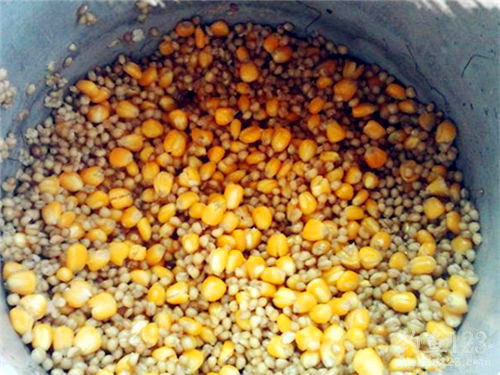
- Canned corn (soak it in garlic juice overnight—game changer).
- Worms (but not the big nightcrawlers—use tiny red worms).
- Store-bought “smelly bait” but only the ones with natural ingredients (look for “shrimp” or “crawfish” not “strawberry bubblegum”).
Pro tip: Don’t use live bait if the water’s super warm. Live bait moves too much, and fish don’t want to chase it. Stick to dead or “slow” bait.
Tactic 4: Fish Early or Late (Avoid the Midday Death Zone)
Let’s be honest: midday in summer is brutal for everyone—fish included. The sun is beating down, the water’s boiling, and the pressure’s at its lowest. If you can, fish at dawn or dusk. That’s when the pressure’s a little higher, the water’s cooler, and the fish are actually hungry. I once fished at 5am on a low-pressure day and caught 5 bass before 8am. By 10am? Nothing. Zero. Nada. So save yourself the sweat—wake up early or stay up late.
Final Thoughts (No Boring Summary, Promise)
Low-pressure summer fishing isn’t impossible—it’s just a game of patience and trickery. You have to think like a lazy fish: “What’s the easiest, smelliest snack I can get without moving too much?” If you can answer that question, you’ll catch fish. And if you don’t? Well, at least you got some sun (and a good story to tell your friends).
Last week, I took my 10-year-old nephew fishing on a low-pressure day. I used the tiny gear trick, and he caught 1 bluegill. He’s been bragging about it to everyone at school. That’s the best part—even when the pressure’s low, you can still make memories. Just don’t forget the sunscreen. And maybe a cold beer. You’ve earned it.