How to Reduce Line Breaks and Fish Fighting Tensions: Tips for Beginner Anglers
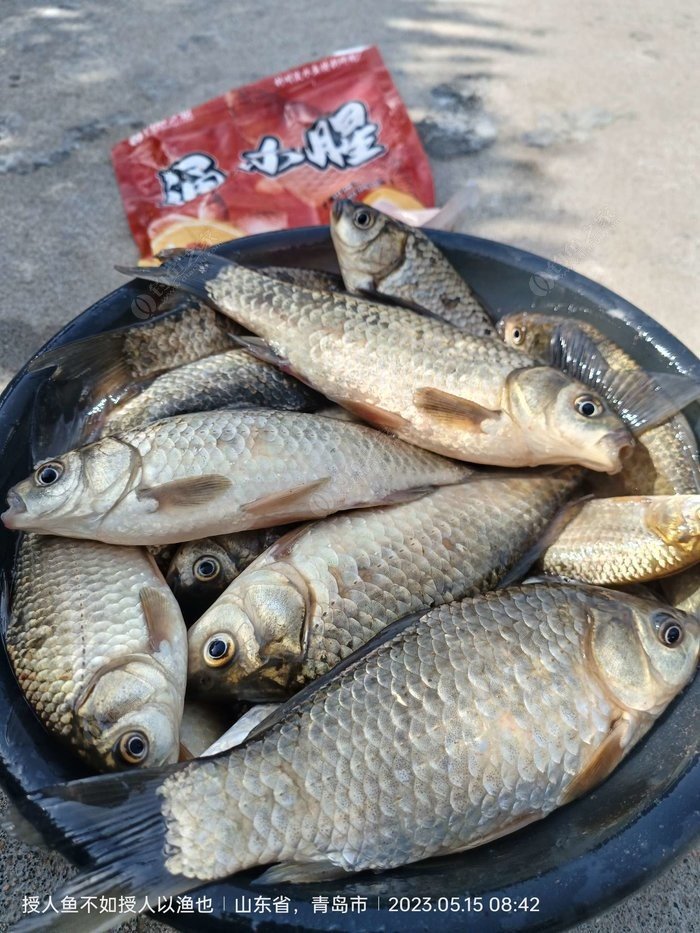
Let me tell you about a recent fishing trip that made me shake my head—again. I was at a local pond targeting tilapia with my trusty 3.6m rod (it’s a light one, made for crucian carp, if you’re curious). My setup? A 1.5 mainline and 0.8 fluorocarbon leader. You know what happened? I landed EIGHT tilapia over 3kg (that’s like 6-7 pounds, folks) and only broke ONE leader. Meanwhile, the guy next to me? Dude was using 2+ leader, a rod stiffer than a broomstick, and he was retying knots every 10 minutes. Total chaos. Fish were jumping, lines were snapping, and I swear I heard his rod groan once like it was begging for mercy.
Look, I’m not some fishing wizard. I just pay attention to the stupid mistakes most new anglers make—myself included, once upon a time. If you’re tired of losing big fish (or your sanity) to line breaks and “the tug of war” (we’ve all been there), let’s break down the four simple habits that changed my game. No fancy jargon, no $1000 gear—just stuff you can try this weekend.

1. Stop Casting Full Distance (I Mean It—Put That Rod Down)
Here’s the thing no one tells new anglers: casting as far as humanly possible is the worst thing you can do for fighting fish. Let’s keep it simple: your rod’s superpower is its “backbone”—the part that bends and absorbs shock when a fish bolts. But if you cast full distance, your line is tight from tip to spool. There’s no slack, no room for your rod to stand up (you know, the thing that actually fights the fish).
Think about it like this: if a fish pulls when your line is fully extended, your rod can’t “give” at all. It’s just a straight line between you and a panicking fish. That’s how lines snap and rods break—trust me, I’ve seen it. I once watched a guy cast full distance for a catfish, and when it took off? His line snapped so fast it whistled. Dude just stood there holding an empty rod like, “Wait, where’d my fish go?”
Why This Works (The Science, Sort Of)
Your rod needs to be vertical (or at least at a 45-degree angle) to use its “flex zone.” That flex zone is where the magic happens—it turns a fish’s 10-pound pull into a 2-pound strain on your line. But if you cast full distance, your rod can’t stand up. It’s stuck at a weird angle, and all that force goes straight to your line. Game over.
Pro tip: Leave about 1-2 meters of slack after casting. Not a lot—just enough that when a fish bites, you can lift the rod and set the hook without yanking the line straight. It sounds tiny, but I promise you’ll notice the difference. I used to cast full distance every time, and I broke 3 leaders in one afternoon. Now? I barely think about it, and my line lasts all day.
2. Stop Yanking the Rod Like You’re Trying to Break It (Easy Does It)
Let’s talk about the most satisfying (and stupidest) part of fishing: the hookset. You see a bite, and what do you do? You yank that rod back like you’re trying to throw it into the next county. Newsflash: that’s why your fish are going berserk.
Here’s the secret: fish feel pain. If you hook them with a sledgehammer-level yank, they’re going to fight like hell to get away. I’ve seen guys hook a 2kg fish and have it jump 3 times in a row—all because they set the hook so hard, the fish thought a shark was attacking it. Meanwhile, I use a “soft hookset”: just enough force to bury the hook in the corner of the mouth (not through the gills or skull). The fish barely notices, and I can reel it in like it’s a toy.
How to Master the Soft Hookset (No, You Don’t Need a Degree)
It’s all about feel. When you see a bite (the float dips, the rod tip twitches), lift the rod slowly—like you’re picking up a glass of water. Wait, not that slow. Just enough that the line tightens, and you feel the hook catch. If you’re using a light rod (like mine), you’ll actually feel the hook “pop” into the fish’s mouth. That’s it. No arm flailing, no yelling, no breaking lines.
Watch a pro sometime—they don’t yank. They just… lift. I used to think “harder = better,” but now I realize “smarter = better.” I once hooked a 4kg tilapia with a soft hookset, and it just swam around like it was taking a walk. I reeled it in in 2 minutes flat. No drama, no line breaks. Just me and a fish having a calm chat.
3. Stop Buying the Stiffest Rod You Can Find (It’s a Trap)
Let’s be real: marketing lies. Everywhere you look, there’s a rod ad that says, “THIS ROD CAN PULL A CAR OUT OF A LAKE!” or “STIFF = POWER!” But here’s the truth: for new anglers, stiff rods are death traps.
Why? Because stiff rods don’t flex. When a fish bolts, a stiff rod can’t absorb the shock—all that force goes straight to your line. It’s like trying to stop a car with a brick. The brick breaks, or the car keeps going. Either way, you lose.
Let’s go back to the guy next to me. He had a rod so stiff, I could use it as a baseball bat. When a tilapia took his bait, he set the hook hard, and the line snapped immediately. I handed him my light rod (the crucian carp one), and he landed the same size fish 5 minutes later. He looked at me like I’d given him a magic wand. “Why didn’t anyone tell me this?” he said. Because marketing doesn’t sell “soft rods”—it sells “badass stiff rods.”
How to Pick the Right Rod (For You, Not the Ad)
Ask yourself two questions: 1) Where am I fishing? 2) What fish am I targeting?
- If you’re fishing a pond for tilapia or bass: Get a medium-light (ML) or light (L) rod. It flexes, it’s forgiving, and it won’t break your line.
- If you’re fishing a river for catfish: Maybe a medium (M) rod. But still, not a “stiff as a board” rod.
- If you’re fishing a tournament and need to reel fast: Sure, a stiffer rod. But that’s not you—you’re a beginner who just wants to catch fish without losing them.
Pro tip: Hold the rod in your hand. Flex it. Does it bend in the middle? Good. Does it only bend at the tip? Bad. That’s the stiff one. Put it back. I once bought a stiff rod because it looked cool, and I broke 4 leaders in one trip. Now I only use rods that feel like they’re made to bend—because they are.

4. Learn to “Steer” the Fish (It’s Like Driving a Bike—Sort Of)
Okay, so you’ve stopped casting full distance, you’re using a soft hookset, and you have a rod that bends. Now what? You need to learn how to steer the fish. This is the “secret sauce” that separates people who catch fish from people who just watch fish get away.
Here’s the idea: when a fish bolts for deep water or a tree (we’ve all had that “oh no” moment), you don’t yank the rod. You “steer” it. Move the rod to the left or right, and the fish will follow. Why? Because the line is pulling it sideways. It can’t swim straight if you’re pulling it off course.
Let me give you an example. Last month, I hooked a tilapia that bolted straight for a log jam. Instead of yanking, I moved my rod to the right. The fish turned, swam away from the log, and I reeled it in. If I’d yanked? Line would have snapped on the log. Game over.
How to Steer a Fish (Without Looking Like a Fool)
It’s simple: when the fish pulls in one direction, move your rod in the opposite direction. Not a big yank—just a slow, steady move. Think of it like walking a dog: if the dog pulls left, you pull right. The dog turns, and you keep walking. Same with fish.
Want to learn more? Check out some videos of pro anglers. My favorite is the “Cui-style fighting method” (yes, I’m a nerd). This guy is a legend—he uses light lines to catch huge fish by steering them like crazy. You don’t need to be him, but watching his videos will teach you the basics. I learned more from 10 minutes of his videos than I did from 6 months of fishing alone.
Final Thought: It’s All About Practice (Sorry, Not Sorry)
Here’s the thing no one wants to hear: none of this works if you don’t practice. I used to break lines all the time. I used to cast full distance. I used to buy stiff rods because they looked cool. But then I started paying attention. I started trying one thing at a time: first, stop casting full distance. Then, soft hookset. Then, right rod. Then, steering.
Now? I land more fish than guys with $500 setups. And it’s not because I’m good—it’s because I stopped making the stupid mistakes. So go out there this weekend. Try one of these tips. If you break a line? No big deal. Try again. If you land a fish? High five yourself. That’s what this is all about—having fun, not being perfect.
Oh, and one last thing: don’t be that guy who yells at the fish for “getting away.” The fish isn’t the problem. You are. (Kidding—sort of.) But seriously, fishing is supposed to be fun. If you’re stressed because you’re breaking lines, you’re doing it wrong. Try these tips, relax, and enjoy the water. You’ll catch more fish, I promise.