Why I Decided to Make My Own Strong Magnetic Bait Puller
Let’s be real-if you’re a fishing fanatic, you’ve probably dabbled in DIY fishing gear at some point. Floats, rod wraps, maybe even a custom tackle box? Yeah, those are the usual suspects. But lately, I’ve been eyeing strong magnetic bait pullers (you know, the ones that make scraping bait and pulling paste a breeze) and thought, “Why buy one when I can build it?” Spoiler: It was equal parts fun, messy, and slightly chaotic-exactly how DIY should be. So grab your tools, and let’s dive into this project (and my tiny mishaps along the way).
What You’ll Need (Spoiler: I Forgot a Few Things)
First, let’s talk supplies. I made a quick list, but of course, I missed a couple of key items (oops). Here’s what you’ll actually need to avoid my mistakes:
- Stainless steel sheets (2mm thick-trust me, thinner feels flimsy)
- Strong neodymium magnets (get more than you think! I’ll explain later)
- 502 glue (or any super glue that bonds metal)
- Silicone sealant (waterproof is a must-fish live in water, duh)
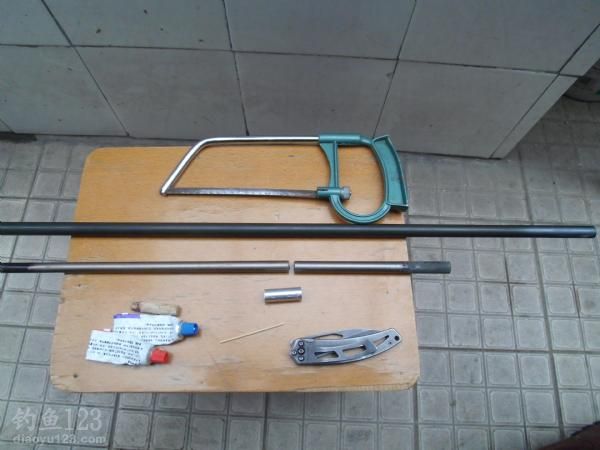
- Tools: Angle grinder (for cutting), sandpaper (for smoothing), marker (for measuring), and a deburring tool (save your fingers!)
- A random scrap piece of plastic (for smoothing silicone-you’ll thank me)
Step 1: Cutting the Stainless Steel Plates (Measure Twice, Cut Once… Mostly)
First up: cutting the base. I grabbed my 2mm stainless steel sheet and marked two circles with a diameter of 18.3cm. Why 18.3? No fancy reason-just the size that fit my tackle box. I used an angle grinder to cut them out, and let me tell you, that thing is loud. Pro tip: Wear ear protection unless you want to hear a ringing in your ears for an hour. Also, clamp the sheet down! Mine slipped a tiny bit, so one circle was slightly wonky-nothing a little sanding couldn’t fix, but still, lesson learned.

Once I had two rough circles, I held them up side by side. They weren’t perfect, but hey-this is DIY, not a factory. On to the next step!
Step 2: Deburring & Smoothing (Save Your Hands From Scrapes)
If you’ve ever cut metal, you know the edges are sharp enough to slice a finger. So after cutting, I grabbed my deburring tool and went to town on the edges. I also used sandpaper to round them off-no one wants a bait puller that doubles as a finger shredder. This part took longer than I expected, but it’s non-negotiable. Safety first, friends!

After smoothing, the plates felt way more polished. I ran my finger along the edges (carefully!) and gave myself a tiny pat on the back. So far, so good.
Step 3: Magnet Placement (My Big Oops Moment)
Now for the star of the show: the magnets. I originally planned a single layer, but then I thought, “Wait, will that be strong enough?” So I decided to do a double layer. Here’s where I messed up: I only bought 10 magnets. Yep, 10. For a double layer. Obviously, that wasn’t enough. I stared at the half-filled plate for a minute, then thought, “Eh, first try-let’s just see how it works.”
I laid the magnets out in a pattern (spaced evenly, so the magnetic force is consistent) and used 502 glue to stick them to one stainless steel plate. The glue dried fast, so I had to work quickly-no time to overthink. Once the first layer was down, I glued the second layer on top of the gaps. It wasn’t perfect, but it was done.

Pro tip: Buy at least 15-20 magnets if you want a full double layer. Don’t be like me-save yourself the “meh, good enough” regret later.
Step 4: Sealing with Silicone (Things Got Messy)
Next, I needed to seal the two stainless steel plates together to keep water out (magnets hate rust, duh). I grabbed my silicone sealant and squeezed a thick bead around the edges of the plate with the magnets. Then I pressed the second plate on top-wait, no, wait! Wait, actually, I first covered the magnets with a thin layer of silicone too? No, wait, let me rephrase: I put the second plate on top of the magnet layer, then ran silicone around the entire perimeter to seal the gap. Yeah, that’s right.

Then I realized the silicone was oozing out unevenly. So I grabbed that random plastic scrap I mentioned earlier and used it to smooth the silicone into a neat edge. Let me tell you-silicone is sticky. It got on my fingers, my table, even my shirt. But hey, messy hands = good DIY, right?

Step 5: The Waiting Game (And a Final Touch)
Now comes the worst part of any DIY project: waiting for glue/silicone to dry. I left the bait puller on my workbench for 3 full days (silicone takes time to cure properly, especially if you want it waterproof). Once it was dry, I noticed the stainless steel still had some scratch marks from cutting. So I grabbed some metal polish and buffed it a little-nothing fancy, just enough to make it look less “I cut this in my garage.”

And that’s it! My DIY strong magnetic bait puller was done. It’s not perfect- the magnet coverage is spotty, and the silicone edge is a little lumpy-but it works. When I tested it, the magnet was strong enough to hold bait firmly, and scraping paste was way easier than using my old non-magnetic plate.
Final Thoughts (And a Call to Action)
Building this bait puller was a blast. I learned that measuring twice (and buying extra supplies) saves time, that silicone is impossible to keep off clothes, and that even “imperfect” DIY gear feels way more satisfying than store-bought. If you’re a fishing fan who loves getting hands-on, give this project a try. Just remember: buy more magnets. Seriously.
Have you ever built your own fishing gear? Did you have any mishaps (I know I did)? Drop a comment below-I’d love to hear your stories. And if you try this bait puller, tag me in your photos (even if it’s as lumpy as mine)! Happy fishing (and DIY-ing)!