Complete Guide to Catching Grass Carp in Wild Ponds This Fall: Tips, Tactics, and Real Experiences
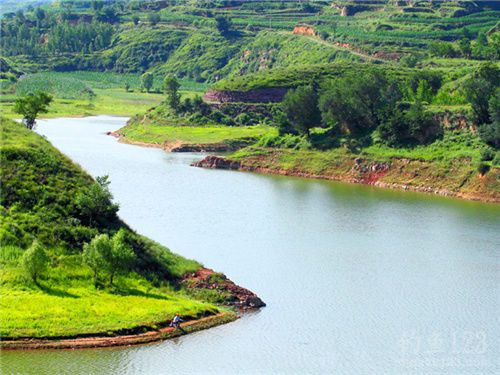
Let’s be real—fall fishing for grass carp in wild ponds? It’s my absolute favorite time of year. Those unstocked ponds? The grass carp are starving after a summer of scavenging, and they’re not shy about hitting a bait. But c’mon, you can’t just toss a hook in and expect a trophy. I’ve spent way too many afternoons watching my line sit still because I skipped a key step. So today, I’m spilling all my secrets—from gear that actually works to the exact spots and times you need to be there. Let’s dive in!
1. Gear That Won’t Let You Down (Trust Me, I’ve Tested It)
First off, grass carp are strong. Like, “rip your rod out of your hand” strong if you’re not prepared. I’ve lost count of how many times I’ve had to chase a rod across the pond because I skipped a safety step. Let’s break down the two main setups I swear by:
1.1 Hand Rod (Spinning Rod) Setup
For close-quarters fishing (think 10-20 feet out), a hand rod is your best bet. Here’s what I use:
- Rod Length: 5.4 meters (about 17.7 feet) — long enough to reach those tricky spots under overhanging grass, but not so long it’s a pain to carry.
- Rod Type: Bamboo or carbon fiber, medium to hard action. Carbon fiber is lighter, but bamboo has that classic feel (and it’s tough as nails).
- Line: 6 lb test (thicker than you’d use for bass, but grass carp don’t care about thin line—they’re not skittish like stocked fish). Make sure it’s 30 cm shorter than the rod (trust me, the extra length just gets tangled).
- Floats: Small tube floats, short-stem fine-tip floats, or even “centipede” floats (those segmented ones that sit low in the water). I prefer the short-stem ones for better sensitivity—you’ll feel a bite before the float even moves sometimes.
- Hooks: Size 6 (I use shank, carp, or Iseama hooks—they hold better than tiny hooks). Double hooks are a must—grass carp have big mouths, and a single hook might slip out.
- Sinkers: 10g through-wire sinkers or lead wire wrapped around the line (easier to adjust for depth). I usually wrap a little extra at first, then trim it down until the float sits just right.
Pro tip: Always attach a rod leash to your wrist. Last fall, I hooked a 12-pounder that took my rod into the pond before I could react. By the time I waded in, it was halfway to the reeds. Don’t be me.
1.2 Casting Rod (Spinning Reel) Setup
For longer casts (30+ feet) or when you need to cover more water, a casting rod is perfect. Here’s my go-to:
- Rod Length: 2.1 meters (about 7 feet), medium-hard action. Stiff enough to handle big fish, but flexible enough to cast far.
- Reel: Spinning reel that holds 80 meters of line (I use 7-8 lb test—thick enough to stop a running carp).
- Hooks: Explosion hooks (cluster hooks) or string hooks, size 11. Explosion hooks work great because they spread out when they hit the water, covering more area.
- Sinkers: 50g sinker (heavy enough to cast far and keep the bait on the bottom).
Another pro tip: Tie a small bell to the rod tip. I’ve fallen asleep in my lawn chair more times than I can count, and the bell is the only thing that’s saved my catches. When that bell rings? Grab the rod—you’ve got a fish.
2. Baits That Grass Carp Can’t Resist (I’ve Tried Them All)
Grass carp are herbivores, but don’t let that fool you—they’ll eat bugs, too. Here’s what I’ve found works best in fall:
2.1 Top Plant Baits
- Tender grass tips (the new growth at the top of weeds—grass carp go crazy for this).
- Leafy greens (spinach, lettuce, or even dandelion leaves—just make sure they’re fresh).
- Cooked sweet potatoes (I boil mine until they’re soft, then let them cool—grass carp love the sweetness).
2.2 Bug Baits (For When Plants Aren’t Cutting It)
- Cockroaches (yes, really—they’re high in protein, and grass carp love ’em). Just make sure they’re not from a place with pesticides.
- Rice worms, caterpillars, or mole crickets (dig ’em up in your garden or buy ’em at the bait shop).
- Shrimp or earthworms (mix ’em with a little grass for extra appeal).
Pro move: Mix plant and bug baits sometimes. Last month, I used a piece of sweet potato with a small caterpillar attached, and I caught three carp in 20 minutes. Grass carp are curious—they’ll check out a mixed bait faster than a plain one.
3. The Best Times to Fish (I’ve Wasted So Many Mornings Because I Didn’t Know This)
Fall weather is tricky—one day it’s 90°F, the next it’s 50°F. But if you time it right, you’ll catch more fish than you can carry. Here’s when to go:
3.1 “Indian Summer” Days (Hot Fall Days)
When the “fall heat wave” hits (temps above 85°F), stick to the same schedule as summer:
- Early morning (dawn to 9 AM)
- Late afternoon/evening (4 PM to dark)
Midday is brutal—grass carp hide in deep water to stay cool, and they won’t eat. I once tried fishing at noon during a heat wave, and my line sat still for 3 hours. Total waste of time.
3.2 Mid-Fall (Cooler Days)
Once temps drop to 65-75°F, you can fish all day! The water is cool, and grass carp are active. This is my favorite time—no more rushing to get up early.
3.3 Can’t-Miss Moments
These are the times when grass carp are practically jumping into your boat:
- Light Rain: Rain adds oxygen to the water, and grass carp go crazy. I’ve caught my biggest carp (15 pounds!) during a light drizzle. Just bring a rain jacket—you don’t want to get soaked.
- After Heavy Rain: Rain washes food into the pond (leaves, bugs, grass), so grass carp hang out near the shore looking for snacks. Cast right by the bank—you’ll get bites fast.
- Cold Fronts: When a cold front hits (temps drop 10+ degrees), grass carp know winter is coming. They eat like crazy to fatten up. I once fished a cold front day and caught 8 carp in 2 hours. Insane.
4. The Perfect Spots to Fish (Stop Guessing—Start Catching)
Grass carp are creatures of habit. If you find their favorite spots, you’ll catch fish every time. Here’s where to look:
4.1 Weed Beds & Overhanging Grass
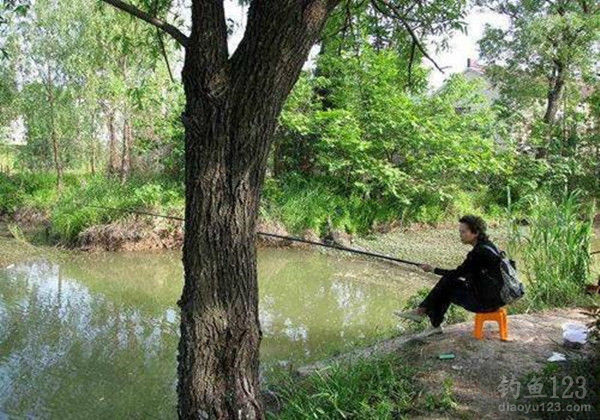
Grass carp eat grass—duh. So cast near weed beds or where grass hangs over the water. Last fall, I found a spot where a willow tree’s branches dipped into the pond. I cast there, and within 5 minutes, I had a 10-pounder. Pro tip: Be quiet! Grass carp are skittish near the surface. Don’t splash, don’t talk loud, and don’t cast a shadow over the water.
4.2 Rocky Areas
Rocks grow algae, and algae attract shrimp. Grass carp love both. Cast to the outside of rocks (not the shore side)—that’s where the shrimp hang out. I once caught a 12-pounder in a rocky spot that I thought was too shallow. Turns out, the algae was thick there, and the carp were feeding.
4.3 Deep Holes (Pond Centers)
On hot days, grass carp hide in deep holes to stay cool. Cast to the middle of the pond (use a casting rod for this). I’ve caught carp here at noon during heat waves when every other spot was dead. Just make sure your bait is on the bottom—grass carp in deep water usually feed there.
4.4 Outflow Channels
Where water flows out of the pond (like a drain or stream), food and oxygen wash in. Grass carp wait here to catch snacks. Cast right at the outflow—you’ll get bites fast. Last month, I fished an outflow channel and caught 5 carp in an hour. It was like a buffet for them.
5. Pro Fishing Tactics (I’ve Learned These the Hard Way)
Wild ponds have sparse fish, so you can’t just cast and wait. You need to prebait (chum) to bring the carp to you. Here’s how I do it:
Prebait your spot 3-5 days before you fish. Throw in grass, sweet potatoes, or peanut meal (a little every day). On fishing day, throw in less bait—just enough to keep them there. When you see “fish bubbles” (carp spitting air), you know they’re in the area. Big bubbles mean big fish—small bubbles mean small fish.
5.1 Bottom Fishing (Most Effective)
Grass carp usually feed on the bottom, so this is my go-to tactic. Here’s how to do it:
5.1.1 Hand Rod Bottom Fishing
Set your float to 3-4 inches (I like a “slack” setup—float sits a little high, so you can feel the bite). When you get a bite:
- You’ll see the float dip (that’s the carp picking up the bait)
- Or the float sinks (carp is swimming away with the bait)
- Or the float bobs back up (carp is testing the bait)
When you see any of these, yank the rod up hard to set the hook. Then, immediately pull the fish away from the weed bed—if it gets tangled, you’ll lose it. Small fish? Just reel it in and net it. Big fish? Let it run (use the reel’s drag) until it’s tired. I once fought a 15-pounder for 10 minutes—my arms were sore, but it was worth it.
After you catch a fish, recast immediately with fresh bait. Grass carp are curious—if one gets caught, others might check out the spot. But if you wait too long, they’ll leave.
5.1.2 Casting Rod Bottom Fishing
Set up multiple casting rods (I use 3-4) and attach bells to the tips. When a bell rings and the rod bends, grab it and reel. Same rule: pull the fish away from weeds. After catching a fish, recast to the same spot—grass carp are lazy, and they’ll come back.
5.2 Float Fishing (For Surface Feeders)
Sometimes grass carp feed on the surface (especially if there’s floating grass). Here’s how to float fish:
5.2.1 Hand Rod Float Fishing
Set your float to 60 cm (about 2 feet) below the surface. Use a big float (5-inch fine-tip float) for better visibility. Be super quiet—surface-feeding carp are easily scared. If you see a carp eating floating grass, cast your bait right next to it. I’ve caught carp in 10 seconds doing this—they don’t even notice the hook.
5.2.2 Casting Rod Float Fishing
Use a carp float rig (the same one used for catfish or bass). Cast to where you see carp feeding on the surface. When the float dips or moves fast, set the hook. But here’s the catch: surface-feeding carp get scared easily. If you catch 2-3 fish, they’ll leave. Switch to bottom fishing after that.
6. My Fall Fishing Wins (And Fails—So You Don’t Have To)
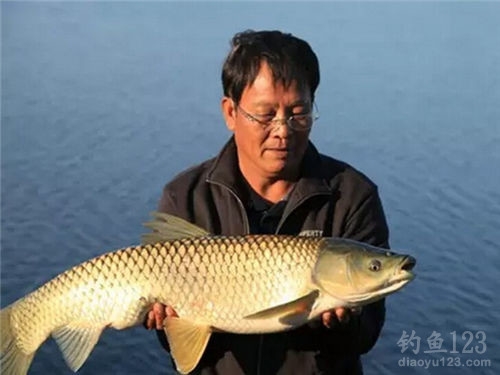
Let me be real—fishing isn’t always perfect. Last fall, I forgot to prebait a spot, and I sat there for 4 hours with no bites. Total bummer. But when I do it right? Magic. One morning, I prebaited a weed bed for 3 days, then fished it at dawn. I caught 6 carp in 2 hours—my personal best. The biggest was 16 pounds, and it fought so hard that my rod bent almost in half. I still have the photo framed on my wall.
Another time, I tried using a tiny hook (size 4) because I thought grass carp were skittish. Nope—they just spit the hook out every time. I switched to size 6, and boom—bites left and right. Lesson learned: Don’t overcomplicate it. Grass carp are wild—they don’t care about tiny hooks.
Final Thoughts (No Boring Summary—Just Real Talk)
Fall fishing for grass carp in wild ponds is all about patience and knowing what works. You don’t need fancy gear or expensive bait—just the right setup, a little prebaiting, and knowing when/where to fish. I’ve spent years testing these tips, and they’ve never let me down. Next time you head out, try one of these tactics—you’ll be surprised how many fish you catch.
Oh, and one last thing: Bring a cooler. Last fall, I caught 8 carp and forgot a cooler—half of them went bad before I got home. Total waste. Trust me, you don’t want to explain to your wife why you’re throwing away 10 pounds of fresh fish. 😉