Ultimate Guide to Catching Yellow Catfish (Huang Sang Yu) in Ganjiang River This Fall
Okay, let’s cut to the chase—if you’re a angler who’s ever tasted the buttery, sweet flesh of yellow catfish (locally called Huang Sang Yu) from the Ganjiang River near Ganzhou, you know this fish is worth fighting for. I’ve spent way too many autumn weekends chasing these little fighters in the river’s backwaters, and let me tell you: there’s a method to the madness. No more guessing, no more coming home empty-handed (okay, almost no more). Let’s break down everything you need to know to land a mess of these tasty critters this fall.
1. Timing Is Everything: When to Hit the Ganjiang River
First off, let’s talk timing—because even the best gear won’t save you if you’re fishing when the yellow catfish are napping (or hiding in their caves like grumpy old men). In southern Jiangxi, autumn is chef’s kiss for this species. The summer heat finally dies down, so the water temps hover between 25–32°C (77–90°F)—perfect for these cold-blooded guys to go crazy feeding. They’re packing on weight for winter, so they’re hungry, hungry, hungry.
Best Times of Day & Weather
Yellow catfish are total drama queens about light. They hate bright sun—like, “I’ll hide in the deepest, darkest cave until the sun goes down” dramatic. So here’s the tea:
- Early morning (dawn until 9–10 AM): The “Red Sky Special” as old-timers call it. Fish are out chasing breakfast before the sun cooks the water.
- Late afternoon/evening (4 PM until dusk): “Chicken-in-the-coop” time (thanks to the local saying). They’re coming out for dinner before bedtime.
- Overcast days or light rain: Game. Set. Match. The dim light makes them bold—they’ll swim out of their hiding spots without a second thought.
Skip midday unless it’s a total cloud cover. I once tried fishing at 1 PM on a sunny Saturday and caught zilch. Nada. Zero. The only thing biting was my patience.
2. Gear Up: The Perfect Hand Rod Setup for Ganjiang’s Backwaters
Let’s get real—you don’t need a fancy $50 rod for these guys. Yellow catfish are small (most are around 150g/5oz), and the Ganjiang’s autumn backwaters are shallow (2–3m/6–10ft) and narrow. Hand rods are your BFF here.
My Go-To Rod & Line Combo
I swear by 3.6m (12ft) carbon fiber hand rods—light enough to cast all day, strong enough to yank a catfish out of a rock crevice. Here’s my exact setup:
- Main line: 2lb high-strength nylon (thinner = more sensitive, so you feel those tiny bites)
- Leader line: 1lb high-strength nylon (thinner than main line, so if it snags, you only lose the leader, not the whole rig)
- Hook: Size 2 barbless long shank (barbless = easier to unhook, and less harm to the fish if you’re catch-and-release)
- Float: Long-body float (better for slow-moving water)
- Sinker: Hollow lead (slides easy, so the bait moves naturally)
- Dual leaders: One 14cm (5.5in), one 11cm (4.3in) (different lengths = covers more water, more chance a catfish finds your bait)
Pro tip: I bring 3 rods. Why? Because the Ganjiang’s backwaters have multiple hot spots, and I can set one in the reeds, one by the rocks, one in the current. More rods = more chances to catch. Duh.
3. Bait & Chumming: What Yellow Catfish Actually Crave
Let’s be clear: Yellow catfish are carnivores. They don’t care about your fancy corn or bread. Give ’em meat, or go home. Here’s what works for me:
Top 2 Baits That Never Fail
Bait 1: Musk-Flavored Earthworms
I raise my own earthworms (yes, I’m that guy) and mix ’em with musk rice powder. It makes ’em swell up, turn see-through, and smell like a catfish’s favorite perfume. I cut each worm into 3–4 pieces (so one worm = 3–4 hooks) and hook ’em so the tip is covered. They wiggle, they smell, they’re irresistible.
Bait 2: Rotten Pork Maggots (Yes, Really)
Okay, hear me out. I boil pork skin or bone marrow until it’s half-cooked, stuff it in a nylon bag, and let it rot for a few days. Maggots hatch, and those little guys are like catfish candy. I load 3–4 maggots per hook, with the last one covering the tip. They’re squishy, they’re smelly, they’re perfect.
Chumming: The Secret to Luring Them Out
Here’s the thing: Yellow catfish hide in rock crevices and don’t move far. You need to bring them to you. I use the leftover rotten pork/bone from the maggot setup—wrap it in cheesecloth, tie it to a long rope, and toss it into my fishing spot. It leaks scent into the water, and 10–15 minutes later, you’ll see the float dip. Game on.
4. Finding the Hot Spots: Where Yellow Catfish Hide in Ganjiang’s Backwaters
This is make-or-break. You can have the best gear and bait, but if you’re fishing in the wrong spot, you’re just wasting time. After years of trial and error, here are the 4 spots I never skip:
Spot 1: Quiet Backwater Reeds
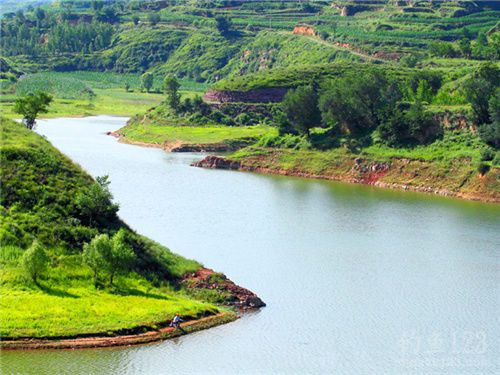
Autumn means the Ganjiang’s levels drop, so backwaters fill with mud and reeds. Yellow catfish love hiding in reed beds—they’re safe from bigger fish, and there’s tons of bugs and small fish to eat. I cast my rod right up to the reeds, not in the middle of the backwater. Trust me, the bites happen right at the edge.
Spot 2: Deep Pool Rock Crevices
Look for deep pools (3–4m/10–13ft) with rocks—like, big, jagged rocks that form little caves. Yellow catfish live here. They’ll dart out to grab your bait and dart back in. So when you feel a bite, set the hook fast—if you wait, they’ll hide in the rocks and you’ll lose your rig. Ask me how I know (spoiler: I’ve lost 5 rigs this way).
Spot 3: Shady Bend Holes
Find a bend in the river where trees hang over the water—total shade, all day. The water is darker, so catfish feel safe. Plus, trees drop bugs and small fish into the water, so it’s a buffet. I once caught 8 catfish in 2 hours here. No joke.
Spot 4: Inflow Currents
Where fresh water flows into the backwater (like from a small stream), the current brings oxygen and food. Yellow catfish love hanging out here—they’re lazy, so they let the current bring food to them. I cast my rod so the bait drifts with the current, not against it. Slow and steady wins the race.
5. Pro Tips: How to Actually Land the Fish
Okay, you’ve got the spot, the bait, the gear—now what? Let’s talk technique. First, set up 3 rods in different spots (reeds, rocks, current). Wait 10 minutes, then check. If one rod catches a fish? That’s the hot spot. Move the other two rods there immediately. Catfish are schooled—if one’s there, more are coming.
When you feel a bite: Don’t jerk the rod like you’re fighting a marlin. Yellow catfish have soft mouths. Just a quick, gentle lift—enough to set the hook, not tear their mouth. Then reel in slow. They’ll fight, but they’re small, so you’ve got this.
6. Safety & Prep: Don’t Be That Guy Who Gets Hurt
Quick reality check: Ganjiang’s backwaters are slippery. I’ve seen guys slip on mud and fall into the river (embarrassing, and cold). Wear non-slip shoes. Also, yellow catfish have spines on their backs and sides that are sharp and can sting (it’s not deadly, but it hurts like hell). Use a cloth to hold them, and a hook remover to get the hook out. Don’t use your bare hands—trust me, I learned the hard way (my thumb was swollen for 2 days).
Also, bring extra rigs. Rocks and reeds snag lines like crazy. I once forgot extra rigs and had to tie a hook to a stick with dental floss (don’t judge). It worked, but it was not ideal.
Last fall, I took my buddy who’s a total newbie. I taught him these tips, and he caught 5 catfish in 4 hours. He’s now obsessed—texts me every weekend asking when we’re going back. That’s the magic of this guide. It’s not rocket science; it’s just listening to the fish and the river.
So this autumn, grab your rods, mix up some musk worms, and head to the Ganjiang. Remember: the best catches aren’t just about the fish—they’re about the quiet mornings, the sound of the river, and the bragging rights when you bring home a cooler full of that sweet, sweet yellow catfish. Catch you on the water!