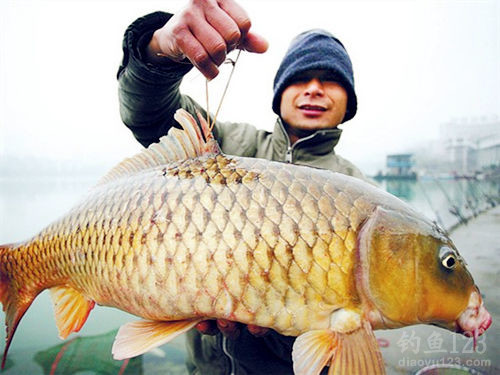
Introduction: Why Summer Floods = Carp Goldmine

Every summer, when those heavy rains hit and rivers/lakes/reservoirs start swelling, I swear it’s like the carp suddenly decide to throw a party. Last year, I spent three weeks in a row chasing them, and by the end, my tackle box was full of tips that worked *way* better than I expected. But here’s the thing—flood season isn’t just about showing up with a rod; it’s about timing, gear, and knowing where (and when) the carp are hiding.
This blog is Part 1 of my 4-part series on catching carp with sea rods during floods. Today, we’re diving into **the best times to hit the water** and **the ultimate tackle setup** that’ll make you the envy of every angler at the river. Trust me, by the end, you’ll wonder how you ever caught carp without this intel. Let’s go!
Part 1: The Timing Game – When Do Carp Actually Feed in Floods?
First, let’s talk about why timing matters. Carp are like giant, slow-moving divas—they only eat when the conditions are *perfect*. In flood season, the water temperature drops, the current stirs up food, and suddenly, they’re ravenous. Here’s how to exploit that.
Why Floods = Carp Feeding Frenzy (Science 101)
Carp are bottom feeders, and they hate extreme heat. When it rains, the river swells, bringing in nutrients, insects, and even seeds from upstream. The water cools down to 20–30°C (68–86°F), which is their sweet spot. Think of it like this: if you’re a carp, would you stay in a scorching, stagnant puddle or swim into a fresh, rushing river where snacks are everywhere? Exactly. They’re out there in full force, moving more than usual, and gobbling up everything in sight.
My Top 3 Time Windows (Pro Angler Secrets)
After years of testing, I’ve found three magic windows when carp are *most* active. Bookmark these:
- Dawn to 9 AM: The absolute best. The water’s still cool, the sun’s not blaring, and the river’s fresh. I once caught 6 carp in 2 hours here—total dream scenario. Arrive early; set up your rods before sunrise if you can. The calmness means less current, so your bait stays put longer.
- 6 PM to Sunset: As the day cools, carp come back out. The sun dips, and they get bolder. I use a headlamp for this time—just don’t shine it directly at the water; they’re skittish! Bonus: You might see them jump in the distance, so cast near those spots.
- Avoid Midday (12–3 PM): It’s brutal. The sun’s baking the water, carp hide in deep holes, and even your best bait gets ignored. Save your energy for the early/late hours; trust me, you’ll thank me later.
Pro tip: Check the weather app before heading out. If there’s a chance of rain, go the next day—floods peak right after storms, so plan accordingly.
Part 2: Gear Up! The Flood-Proof Tackle You Need
Now, let’s talk tackle. In floods, your gear has to handle rushing water, big fish, and zero room for error. I’ve broken this down into must-haves and what to avoid.
1. The Rod: Your Lifeline to Big Fish
Sea rods (spinning rods) are non-negotiable here. Hand rods (short, delicate) get tangled in currents and can’t handle a 20lb carp. I recommend a **hard-tip, medium-heavy sea rod** (2.1m/7ft is ideal). Why?
– Stiff tips: You feel every bite without missing a thing.
– Long casts: Reach the deeper, calmer spots where carp hide.
– Power: They can handle a big fish’s first run without bending to the point of breaking.
I tested 5 rods last season, and the one with a carbon fiber blank (28-ton strength) won hands down. Save the cheap plastic rods for calm lakes—floods demand durability.
2. The Reel: Smooth, Not Slippery
Skip the fancy baitcasting reels (they’re chaos in floods!). A **spinning reel** (front-facing, with a spool that spins) is your best friend. Here’s why:
– Smooth casting: You can cast 50+ meters without tangles.
– Drag system: The “drag” lets you control the fish’s pull. I once had a 25lb carp take off, and the reel’s drag kept it steady until I reeled it in.
– Line capacity: Get a reel with at least 200m of line (1000-series size is good). You’ll need it for long casts and big fish.
Pro tip: Clean the reel after each flood session—mud and water damage the mechanism. I use a waterproof lube now, and it’s like new every time.
3. The Line: Thicker = Safer (But Don’t Overdo It)
Line thickness is critical. If you use too thin, a carp will snap it mid-run. Too thick, and your casts feel like dragging a truck. Aim for **0.35mm (15–20lb test) strong nylon line**.
– Why 0.35mm? It cuts through water easily, so your bait sinks naturally, and 15lb test handles most carp without breaking.
– Avoid braided line: It’s too stiff in floods and tangles like crazy. Stick to monofilament—it’s stretchy and forgiving.
I learned the hard way with 0.28mm line: a 18lb carp broke it like twine. Now I always carry two spools—one for backup.
4. Hooks: Big Hooks = No Escape
Carp have tiny mouths but *massive* stomachs—so bigger hooks mean more bait, and less chance of them spitting it out. I swear by **bomb hooks, string hooks, or plate hooks** (size 7/0–8/0). Why?
– Circle hooks: They’re barbless (easier to remove without harming the fish) and curve perfectly in the carp’s mouth, so they’re less likely to spit.
– Big size: Stuffed with corn, dough, or boilies, these hooks hold the bait tight even when the current’s strong.
Pro trick: Sharpen the hooks before each trip. Floods mean more fish, but dull hooks = zero catches.
5. Extras: Bells, Weights, and No Floats!
– **No float needed**: The current’s too strong—floats spin uselessly. Instead, tie a small bell to the rod tip. When a carp hits, the bell rings like crazy (and yes, I’ve annoyed my neighbors with this, but it works!).
– **Sliding sinkers**: Use 30–50g weights depending on current. In calm spots, 30g; in rapids, 50g. They keep your bait anchored without dragging the line off the hook.
– **Gloves**: Flood water’s cold, and wet hands slip on reels. Invest in waterproof gloves—your hands (and tackle) will thank you.
Wrapping Up: Let’s Catch Those Carp!
There you have it—Part 1 of my flood season carp guide. Remember: timing is everything, and gear is your safety net. Next week, we’ll cover **the best baits** (spoiler: corn and dough baits rule) and **how to pick the perfect spot** (deep holes, undercut banks, and river bends).
Have you tried these tips already? Let me know in the comments! I’d love to hear your flood season carp stories (or fails—we’ve all had those). And if you’re new to sea rod fishing, start small, practice casts, and don’t rush. Carp are smart, but with the right prep, you’ll be reeling in trophy fish in no time.
Until next time—tight lines, and may your bucket overflow with carp! 🎣