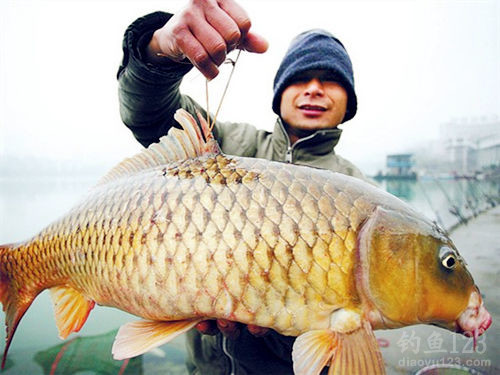
Pro Angler’s Guide: How to Use Competitive Fishing Tactics to Catch Crucian Carp Fast
Let’s be real—nothing’s more satisfying than hauling in a ton of crucian carp (those tiny, feisty freshwater fish) in a hurry, right? I’ve spent way too many weekends at competitive fishing ponds, sweating through my shirt just to outfish the guy next to me. And let me tell you, catching 300+ of these little guys an hour isn’t just luck—it’s all about the right gear, tricks, and a whole lot of practice. If you’re tired of sitting around waiting for a bite, stick around. I’m spilling all the competitive fishing secrets I’ve picked up over the years.

Why Competitive Fishing for Crucian Carp? It’s All About Skill, Baby
First off, let’s get one thing straight: competitive fishing isn’t just for pros. Even if you’re a weekend warrior, using these tactics will turn your slow days into “wait, how many did I just catch?” days. Crucian carp are tricky—their bites are finicky, they’re skittish, and if you mess up even one tiny thing, they’ll bolt. That’s why competitive anglers use these guys to train their basics. Think of it like a football player doing drills—this is your fishing drill.
And let’s talk numbers. I’ve seen guys hit 400 crucian carp an hour. 400! That’s not just casting and reeling—that’s a system. Every single step has to be optimized. No wasted movement, no bad gear, no guesswork. That’s what we’re breaking down today.
Step 1: Gear Up Like a Competitive Pro (No Wimpy Rods Allowed)
Let’s start with the basics: your rod. If you’re using that heavy, floppy rod you use for bass fishing? Toss it. For fast crucian carp, you need two things: light and hard. Why? Because you’re casting 100+ times an hour—if your rod’s heavy, you’ll be dead by lunch. And hard? Because you need to set the hook fast and get the fish out of the water quick.
Rod Specs That Actually Matter
- Go for a 2-8 power (that’s “fast action” or “medium-fast” in some brands)—it’s stiff enough to set the hook but has a tiny bit of give to not rip the fish’s mouth.
- Length? 12-14 feet is perfect for most competitive ponds. Too short, and you can’t reach the sweet spots; too long, and you’ll tire out fast.
- Weight? Under 100 grams (that’s like a can of soda). If it’s heavier than that, skip it.
Trust me, I made the mistake of using a heavy rod once. By the end of the day, my arm was so sore I couldn’t lift a coffee cup. Never again.
Step 2: Lines & Hooks—The Unsung Heroes of Fast Fishing
Next up: lines and hooks. If you’re using soft, stretchy line? You’re gonna have a bad time. Competitive anglers use hard lines for a reason—they don’t tangle, they cut through the water fast, and they make hooking and unhooking a breeze.
Line Rules You Can’t Break
- Main line and leader line: same size. Why? Because we’re fishing shallow (more on that later), and the fish are aggressive. You don’t need to worry about “scaring them” with thick line—they’re already hungry.
- Size? 0.12-0.16 mm for both. That’s thin enough to not drag, but thick enough to not break when you’re yanking 10 fish an hour.
Hooks That Won’t Let You Down
Here’s a pro tip: use bigger hooks than you would for bottom fishing. Wait, why? Because these are fast, aggressive fish (called “newly hooked” or “active feeders”). A bigger hook sinks in deeper, so you don’t lose them when you’re reeling fast. I use size 4-6 hooks—small enough to not scare them, big enough to hold on tight.
And don’t even think about barbless hooks unless you’re a total pro. Barbs help keep the fish on when you’re flying them into the net. (Just be gentle when you take ’em out—we’re here to catch, not hurt.)
Step 3: Floats—The Secret to Catching Fast (No More Waiting)
Let’s talk floats. If you’re using a long, wobbly float? You’re gonna miss bites. Competitive anglers use “fast attack” floats—short, streamlined, and built to flip over and get to the fish fast.
Float Specs That Work
- Total length: under 15 cm (that’s like 6 inches). Any longer, and it takes too long to settle.
- Shape: streamlined (like a bullet). No bulbous bodies—they slow down the float.
- Brands to try: Kexiu’s Whiteboard Crucian Carp float is my go-to. It’s cheap, works like a charm, and I’ve caught hundreds of fish with it.
Why does this matter? Because when the fish are feeding on the surface (which they will be), you need the float to get to the zone fast. A slow float means you’re missing bites before you even see them.
Step 4: Bait—The One Thing That Will Make or Break Your Day
Okay, let’s get to the good stuff: bait. If you’re using worms or corn? Yeah, you’ll catch some, but not 300 an hour. Competitive anglers use “pull bait” (or “pop-up bait” if you’re American)—it’s a sticky, doughy bait that you pull over the hook. Why? Because it’s fast to use, and it creates a cloud of food that draws the fish in.
Perfect Pull Bait: The Rules
- Small: like a pea. Big bait = slow bites, and the fish will nibble instead of swallow.
- No fibers: fibers get tangled on the hook, and they leave residue. You want the hook to be clean after every cast.
- Mix right: use a mix of pellets and bran. Pellets sink slow (to draw fish up), and bran floats (to spread the scent). It’s like a dinner bell for crucian carp.
Important Note: No Cheating!
Back in the day, some guys used “pull paste” (a super sticky bait that’s basically cheating). But it’s banned now—so don’t even think about it. Stick to the rules, or you’ll get kicked out of the pond (and no one wants that).
Flavor: Keep It Simple
Here’s the biggest mistake new anglers make: using fancy flavors. Competitive ponds have “original pond pellets”—that’s what the fish are used to. If you use strawberry or garlic, they’ll be confused. Stick to the original flavor, or something close. I once used a vanilla bait and caught 50 less fish than the guy next to me who used plain pellets. Lesson learned.
Step 5: The “One-Two-Three” Catch: Hook, Reel, Net (No Wasted Time)
Now, let’s talk the actual catch. This is where practice comes in. Competitive anglers don’t just “catch fish”—they have a routine. Every step is smooth, every movement is fast.
How to Hook the Fish (Gently, But Fast)
When you see the float dip? You don’t yank—you “tick” it. A tiny, quick movement of the rod. Why? Because crucian carp have small mouths—yanking will rip the hook out. I’ve seen guys yank so hard, the fish flies 10 feet away. Not helpful.
Reel & Net Like a Pro
Once you hook the fish, reel fast—but not too fast. You want to get it to the surface quick, then “fly” it into the net. Wait, fly? Yeah—use the rod to lift the fish out of the water, then catch it mid-air with the net. It sounds crazy, but it’s 10x faster than reeling it all the way in.
And use a “soft net” or a “catch bar” (a metal bar with a hook) to get the fish off fast. The catch bar is my favorite—you just hook the fish’s mouth on the bar, and it pops off in 0.2 seconds. No fumbling with your hands.
Step 6: The Double Catch Secret—How to Catch Two Fish at Once
Here’s the big one: double catches. If you can master this, you’ll double your count in an hour. I once caught 12 double catches in 10 minutes—my buddy was so mad he bought me a beer (after he stopped complaining).
How to Spot Double Catch Signals
First, you need to know the float signals. Crucian carp usually bite twice: the first is a “nibble” (float dips a little), the second is a “swallow” (float goes under). But for doubles? You’ll see two things:
- The float dips twice in a row (one fish nibbles, another swallows).
- The float moves sideways (two fish are fighting over the bait).
Pro tip: don’t just wait for the “perfect” bite. Sometimes the first bite is big—grab it. I’ve caught more doubles by being aggressive than by waiting.
Final Thought: Practice, Practice, Practice (No Shortcuts)
Let’s be honest—you’re not gonna catch 300 fish in a day your first time. I spent 3 months practicing just my cast before I could hit the same spot every time. And another month on the float signals. But once you get it? It’s like riding a bike—you never forget.
Last weekend, I took my little cousin out. He’s 12, never fished before. By the end of the day, he caught 15 crucian carp. Not 300, but way more than he thought he would. And he had a blast. That’s what this is all about—having fun, learning something new, and maybe outfishing your buddy.
So go grab your gear, hit the pond, and practice. And if you see a guy with a Kexiu float and plain pellet bait? That’s probably me. Come say hi— I’ll show you my double catch trick.