River Fishing: How to Choose the Right Spot, Float, and Bait for Success
Let’s be real—river fishing is equal parts thrilling and frustrating. One minute you’re staring at a postcard-perfect bend in the current, and the next you’re reeling in a tree branch (or worse, “the earth” as us anglers joke about snagging the bottom). I’ve spent more days than I care to admit guessing where the fish are hiding, only to go home empty-handed. But after years of trial and error (and a lot of advice from grizzled local anglers), I’ve cracked the code on three make-or-break factors: spot selection, float choice, and bait strategy. Let’s dive in—no fancy jargon, just the good stuff.

First Things First: Why River Fishing Is Different (Spoiler: It’s All About the Current)
Unlike stillwater lakes or ponds, rivers are dynamic. The current never stops shifting, water levels rise and fall with seasons, and fish have to adapt to survive. That means your usual lake tactics? They’ll probably flop here. I learned this the hard way on my first river trip: I set up in a wide, open stretch thinking “more water = more fish” only to watch my bait zip downstream faster than I could cast. Total facepalm moment.
Key River Fishing Realities to Remember
- Current dictates where fish feed (they don’t want to waste energy fighting the flow).
- Water levels change drastically with rain or snowmelt (what’s a shallow spot in spring might be a deep hole in summer).
- Snags are inevitable—trees, rocks, and debris hide everywhere (but they also hide fish).
Spot Selection: Stop Guessing, Start Catching (The Lazy Angler’s Guide)
Here’s the truth: bad spots = no fish, no matter how good your bait is. I used to wander aimlessly until a local old-timer grabbed my rod and said, “Kid, you’re fishing where the fish don’t live. Look for the lazy spots.” Turns out, he was 100% right. Fish are lazy—they want to hang out where the current is slow, food drifts by, and they can hide from predators.
1. The #1 Spot: Backwaters & Eddies (Fish’s Favorite Hangouts)
Let’s break this down. A backwater is a calm area off the main current (think a small cove or a spot where the river bends and the water slows). An eddy is that swirling, calm spot right behind a rock or log in the main flow. Why do fish love these? Because food (insects, small fish, algae) drifts into them, and they don’t have to fight the current to eat. I once caught three catfish in 10 minutes in a tiny eddy behind a fallen tree—total game-changer.
How to Spot Backwaters & Eddies
- Look for ripples that suddenly stop (that’s the calm zone).
- Watch for leaves or debris swirling in a circle (eddy alert).
- Check river bends—fish love the inside of the bend where the water slows down.
2. Seasonal Spots: Follow the Water (It’s Not Rocket Science)
Fish move with the seasons—plain and simple. If you’re fishing in spring, the river is usually low and slow (after winter runoff). That means fish are in deeper holes (they’re still cold from winter, so they want warmth and safety). In summer, water levels drop even more—fish will move to deeper pools or shaded areas under trees. And when it rains? Flooding pushes fish into backwaters and flooded vegetation (that’s when the big ones come out to play).
My Spring Fail (And What I Learned)
Last spring, I set up in a shallow stretch because “fish like warm water.” Wrong! The water was still 50°F—fish were huddled in a 10-foot-deep hole 50 yards away. A local angler laughed and said, “You’re fishing for minnows, not bass.” I moved, and within 20 minutes, I landed a 3-pound smallmouth. Lesson learned: always check the water temperature (or just ask a local—they know).
3. Pro Tip: Scout Before You Cast (Save Yourself Hours)
I used to set up my gear first, then look for spots. Big mistake. Now I walk the bank for 10-15 minutes first. Here’s what I look for:
- Snags (yes, snags are good—fish hide in them).
- Small fish jumping (that means bigger fish are feeding).
- Local anglers already catching fish (duh—copy their spot, but be polite).
Float (Bobber) Choice: Stop Chasing Your Bait Downstream
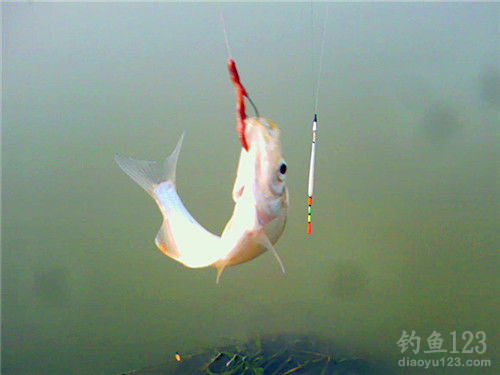
Let’s talk floats. If you’ve ever fished a river with a regular lake float, you know the pain: it zips downstream faster than you can reel, and you can’t tell if a fish is biting or the current is moving. Total chaos. The key here is to match your float to the current—no exceptions.
1. What Float Works for Rivers? (The Non-Negotiables)
Forget those tiny, lightweight floats you use for panfish. Rivers need floats that can handle current. Here’s what to look for:
- High buoyancy (big “eat” weight): This means the float can hold a heavier bait or weight without sinking. I use floats with 2-5 gram eat weight for most rivers.
- Stability: Look for floats with a wider base or a weighted bottom (they won’t tip over in current).
- Visibility: Bright colors (orange, yellow) are a must—you’ll lose track of a clear float in murky river water.
2. Float Setup for Rivers: No More Snags (I Promise)
Here’s my go-to setup for slow to moderate current:
- Attach a sliding sinker (not a fixed one) to your line—this lets the bait move naturally with the current.
- Add a small swivel to prevent line twist (rivers love to twist your line).
- Attach your float 1-3 feet above the sinker (adjust based on depth).
- Use a bait that stays on the hook (more on that later).
When to Use a Slip Float (For Deep Water)
If you’re fishing in water deeper than 6 feet, a slip float is your best friend. It slides up and down your line, so you can adjust the depth without retying. I once used a slip float to catch a 4-pound carp in a 12-foot-deep hole—game over for the carp, win for me.
Bait Strategy: Stop Wasting Money on Fancy Lures
Let’s get real: rivers have natural bait everywhere. Fish don’t care about your $10 “super lure”—they care about what’s already in the water. That’s why I always start with natural baits, then switch to lures if needed.
1. Natural Baits (The River Angler’s Secret Weapon)
Here are the baits that never let me down:
- Worms: Duh—every fish eats worms. Use nightcrawlers for big fish (catfish, bass) and red worms for panfish.
- Corn: Yes, plain old corn! Carp, catfish, and even bass love it. Just hook a few kernels (use a small hook so they stay on).
- Minnows: For predatory fish (bass, pike, walleye). Hook them through the lips or back so they swim naturally.
Pro Tip: Make Your Bait Stay on the Hook
Rivers are tough on bait—current will strip it off in seconds. Here’s how to fix that:
- Use a small hook (size 6-10 for worms, size 4-6 for minnows).
- Wrap a tiny piece of rubber band around the hook (just enough to hold the bait).
- For corn, use a “sweet corn” that’s a bit sticky (or add a drop of honey).
2. Lures for Rivers (When Natural Bait Fails)
If the fish are being picky, try these lures:
- Spinnerbaits: Great for bass and pike—they spin in the current, mimicking small fish.
- Jigs: Perfect for bottom-feeding fish (catfish, carp). Use a heavy jig (1/4-1/2 ounce) to get it down fast.
- Crankbaits: For shallow water—choose ones that dive 2-3 feet (they’ll bounce off rocks without snagging).
My Lure Fail (And What I Fixed)
I once used a fancy crankbait that cost $15. It snagged on a rock within 2 minutes. I switched to a $3 spinnerbait, and within 10 minutes, I caught a 2-pound bass. Moral of the story: expensive doesn’t mean better.
Final Pro Tips (From Someone Who’s Been There)
Before you hit the river, here are a few things I wish I knew when I started:
- Ask locals: They know the river better than any website. Just be polite—offer a beer or a worm, and they’ll spill all the secrets.
- Check the weather: Rivers rise fast with rain—don’t get stuck in a flood zone. I once had to run for my life when a sudden downpour raised the water level 2 feet in 10 minutes.
- Be patient: River fishing is slow. I’ve spent 4 hours without a bite, then caught 5 fish in 30 minutes. Don’t give up!
Last month, I took all these tips to a small river near my house. I found a backwater behind a fallen tree, used a slip float with a nightcrawler, and landed a 5-pound catfish and two smallmouth bass. It was the best day of fishing I’ve had in years—all because I stopped guessing and started following the fish’s rules.
What’s your worst river fishing fail? Drop a comment below—I’d love to hear it (and maybe learn from it too). Tight lines!